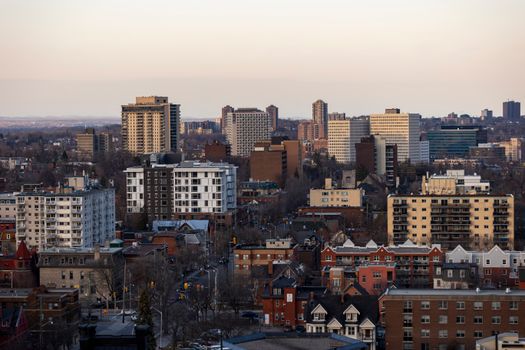
Ottawa homeowners are no strangers to the stress of buying and selling in a competitive market, but there's a financial risk lurking in the process that most people never see coming until it's too late.
It's the danger of carrying two properties at once.
For many Ottawa families, the dream sequence goes something like this: sell your current home, use the equity as a down payment, and close on the new place in a seamless handoff. But real estate transactions rarely unfold that neatly. Closing dates shift, deals fall through, and suddenly you're holding a mortgage on two properties, with two sets of bills, two insurance policies, and half your net worth tied up in limbo.
How It Happens
The scenario is more common than you'd think. Homeowners often put an offer on a new property before their existing home sells, assuming the timing will work itself out. In Ottawa's market, where inventory has been tight and competition fierce, the pressure to move quickly on a desirable listing can push buyers to act before they're financially ready.
Once you own two properties simultaneously, you're on the hook for both mortgages. If your existing home sits on the market longer than expected, or if the buyer's financing falls through. That overlap period can stretch from weeks into months. During that time, carrying costs can quietly drain tens of thousands of dollars.
The Bridge Financing Trap
One common solution is bridge financing: a short-term loan that lets you access your home equity before your sale closes, so you can fund the down payment on your new purchase. It sounds elegant in theory. In practice, bridge loans come with elevated interest rates and strict terms. If your sale drags on, those costs compound fast.
Lenders in Ottawa and across Canada typically cap bridge financing at 90 to 120 days. If your deal doesn't close in that window, you may need to renegotiate, often at a higher rate, and with fewer options on the table.
What Ottawa Buyers Should Do Differently
Financial advisors and mortgage brokers working in the Ottawa market consistently recommend one thing above all else: sell before you buy, if you can manage it.
Yes, it means potentially living in temporary accommodations for a few weeks. Yes, it requires more logistical coordination. But it eliminates the carrying risk entirely and gives you a clear picture of exactly how much equity you're working with before you make your next move.
If selling first isn't possible, build a proper contingency buffer into your plan. Have a frank conversation with your mortgage broker about worst-case scenarios, not just the rosy timeline where everything closes on schedule.
Also worth noting: the stress test still applies to bridge financing in many cases. Your ability to qualify for both mortgages simultaneously depends on your full income picture, and many buyers are surprised to find they don't qualify as comfortably as they expected.
The Bottom Line
Ottawa's real estate market has cooled from its pandemic-era frenzy, but properties still move, emotions still run high, and the temptation to leap before you look hasn't gone away. The families who weather transitions smoothly are usually the ones who treated the financial risk as seriously as the real estate search itself.
Before you list, before you make an offer, sit down with a mortgage professional and map out every scenario, including the ones you hope never happen.
Source: OBJ, The financial risk nobody talks about when you sell your home