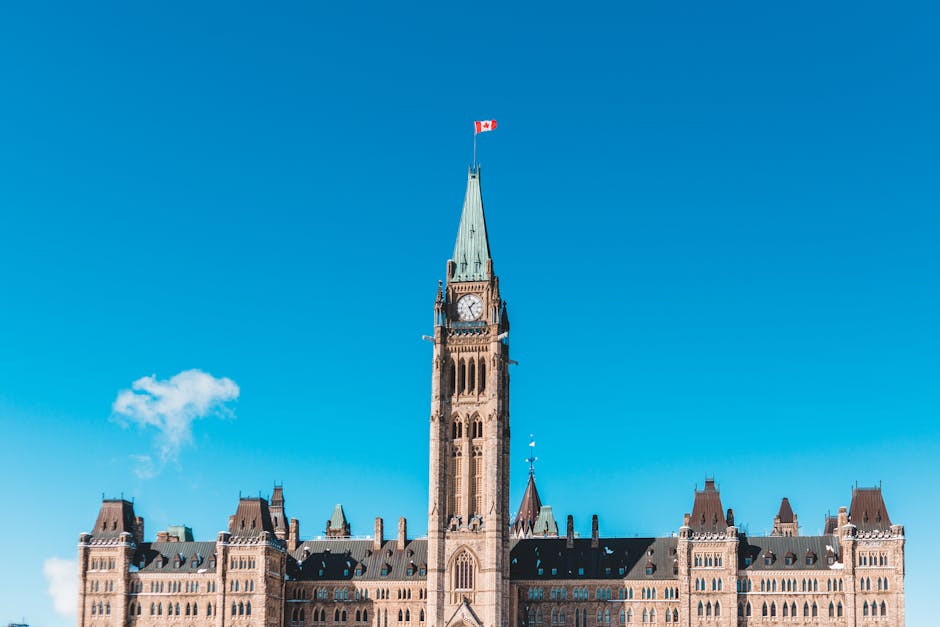
Ottawa's Parliament Hill is the backdrop for a slow-burning fight over one of the most basic rights imaginable: clean, safe drinking water. According to APTN News, First Nations leaders say the federal government's clean water legislation has left them frustrated, yet despite their concerns, they are not ready to walk away from the process.
A long fight over a basic right
For decades, dozens of First Nations communities across Canada have lived under boil-water advisories, some lasting years at a time. The federal clean water bill was pitched as a way to finally enshrine the right to safe drinking water in law and to set enforceable standards on reserves. For many leaders, the principle behind the bill is exactly what communities have been demanding for a generation.
The frustration, leaders told APTN, lies in the details: and in the gap between the promise of the legislation and what it actually delivers on the ground. Concerns have centred on questions of funding, jurisdiction, and whether the bill goes far enough to guarantee the standards it sets out are met, rather than left as aspirations.
Frustrated, but still at the table
What stands out in the reporting is the tone: this is not a walkout. First Nations leaders signalled they remain engaged and willing to keep pushing for a stronger bill rather than abandon the effort altogether. That posture reflects a hard-won pragmatism, communities have seen previous attempts at water legislation falter, and many would rather fix flawed legislation than start from zero.
That balance of frustration and persistence has defined much of the relationship between Indigenous communities and the federal government on this file. Leaders want a law with teeth, adequate resources behind it, and genuine recognition of First Nations authority over their own water, not a framework that hands responsibility down without the means to act on it.
Why this matters in Ottawa
The debate plays out in Ottawa, where the bill moves through the House of Commons and Senate committees just a short distance from the communities and advocates who travel to the capital to make their case. For Ottawa residents, it is a reminder that decisions made on Parliament Hill ripple far beyond the city, shaping daily life in communities that have gone years without being able to safely drink from their own taps.
It also lands close to home in a region where the Ottawa River and the broader watershed are part of unceded Algonquin Anishinaabe territory. Conversations about water rights, stewardship, and reconciliation are not abstract here; they run through the land the capital itself sits on.
What comes next
The path forward depends on whether the federal government is willing to strengthen the legislation in response to the concerns leaders have raised. First Nations advocates have made clear they intend to keep pressing for amendments rather than accept the bill as written. For now, the message from Indigenous leadership is one of guarded determination: frustrated by the shortcomings, but committed to seeing safe drinking water protected in law.
Source: APTN News (news.google.com)

