Ottawa's older housing stock, particularly in neighbourhoods that were built in the post-war era, offers genuine fixer-upper opportunity for buyers willing to take on renovation work. But buying a fixer-upper in Ottawa requires clear eyes about costs, timelines, and what you're actually getting into.
Where the Fixer-Upper Stock Lives
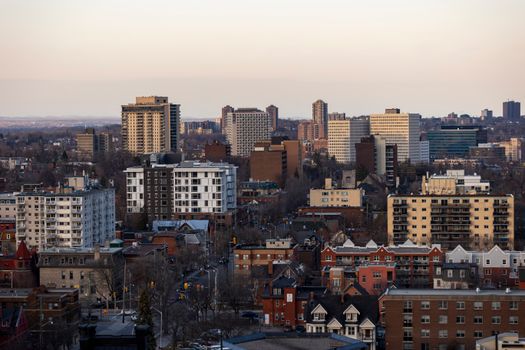
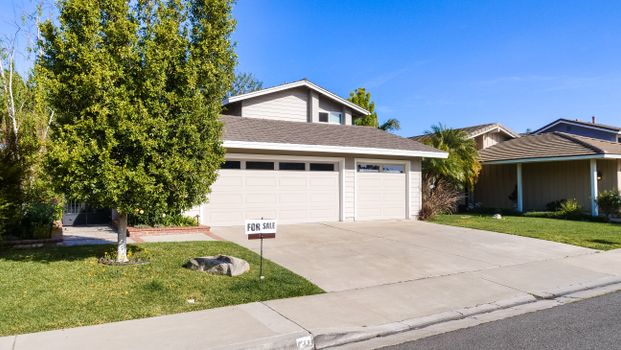
Ottawa's inventory of homes needing significant work is concentrated in a few areas: Vanier and parts of Ottawa East for modest post-war bungalows and semis; older parts of Alta Vista and Elmvale Acres for 1960s–70s ranchers needing updates; Carlington and Woodroffe for homes with original 1950s systems; and some inner-city streets in the Glebe and Old Ottawa South where buyers have acquired unrenovated homes as renovation projects. Asking prices for genuine fixer-uppers in these areas range from $420,000 to $600,000.
The Real Cost of Renovation in Ottawa 2026
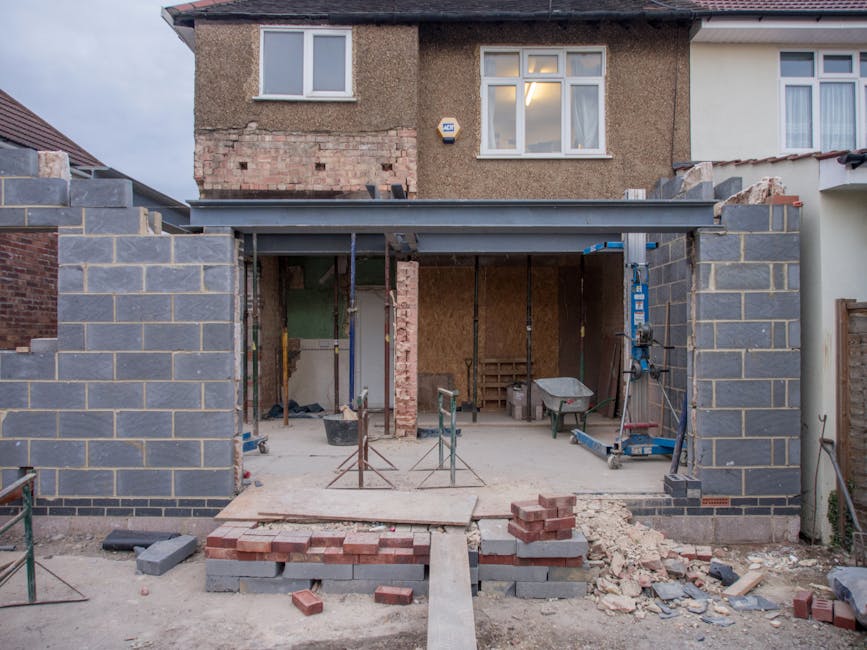
Ottawa's renovation market has remained tight despite some softening in 2025. Qualified general contractors are booked weeks to months out. Realistic Ottawa renovation cost benchmarks: kitchen renovation ($40,000 to $100,000 depending on scope), bathroom renovation ($15,000 to $35,000), basement finishing ($35,000 to $65,000), window replacement ($800 to $1,200 per window), roof replacement ($12,000 to $22,000), furnace and A/C replacement ($8,000 to $15,000), and electrical panel upgrade ($3,000 to $6,000). A full gut-renovation of a 1,500 square foot Ottawa house runs $200,000 to $350,000 for quality work.
Getting Renovation Financing
Standard mortgages don't cover renovation costs. Options for Ottawa buyers include: a Purchase Plus Improvements mortgage (CMHC allows up to $40,000 in improvements to be rolled into an insured mortgage); a HELOC taken out after purchase once equity is established; a construction mortgage for extensive renovations; or personal savings and lines of credit. The Purchase Plus Improvements product requires getting contractor quotes before your offer, factor this into your timeline.
The Permit Reality
In Ottawa, any structural work, additions, new plumbing, electrical work, or HVAC changes require permits from Ottawa Building Services. Unpermitted work creates problems at sale, buyers and their lawyers will ask, and unpermitted additions must be disclosed. Budget two to six weeks for permit issuance and ensure your contractor pulls permits for all applicable work.
What to Look For in the Inspection
For a fixer-upper, go beyond the standard inspection. Commission a sewer scope ($200–$350) to check for root intrusion or collapsed clay tile, common in Ottawa's older neighbourhoods. Test for radon gas, which has elevated concentrations in some Ottawa soil profiles. Check for knob-and-tube wiring and aluminum wiring (both problematic for insurance). Get a structural engineer's assessment if there are any signs of foundation movement.
The Sweat Equity Math
The fixer-upper calculus: purchase price + renovation cost + carrying costs during renovation versus buying a turnkey home in the same neighbourhood. In Ottawa's market, well-executed renovations in desirable inner-city areas do produce meaningful equity gains. The risk is in cost overruns, budget 20% contingency on every renovation project minimum, and 30% on older homes.