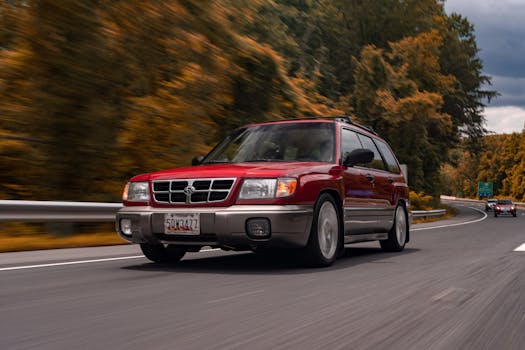
Federal investigators in the United States have concluded that drivers involved in fatal crashes involving Ford's BlueCruise hands-free highway driving system showed signs of inattention in the seconds before impact, findings that are reigniting a debate about driver-monitoring requirements that has direct implications for the hundreds of thousands of Canadian drivers using similar semi-autonomous systems on roads like the Highway 417 through Ottawa.
The National Highway Traffic Safety Administration's preliminary findings, reported by TechCrunch, suggest that BlueCruise users who were fatally injured in multiple separate incidents had their gaze diverted from the road for extended periods. BlueCruise, like similar hands-free systems from General Motors, Tesla, and others, is designed to require periodic driver engagement, but the incidents suggest the monitoring systems may not be sufficiently robust to prevent genuine inattention.
The Canadian Regulatory Gap
In Canada, Transport Canada has been working on an automated and connected vehicle regulatory framework, but critics say the process has been frustratingly slow. Unlike the US, where NHTSA actively investigates crashes involving advanced driver assistance systems and has the authority to compel data disclosure from automakers, Canada's regulatory regime for vehicle safety is more limited in its reach and enforcement capacity.
For Ottawa commuters, who represent some of the country's most consistent highway drivers, with the 417 and 416 corridors forming the backbone of the Capital Region's automobile network, the question of what rules apply when BlueCruise, GM Super Cruise, or Tesla Autopilot is engaged is not purely academic. Ontario's Highway Traffic Act has been updated to permit testing of automated vehicles, but the rules governing how hands-free systems can be marketed and how driver attention must be maintained remain murky.
The Driver Monitoring Question
At the heart of the BlueCruise investigation is a technical design question: what kind of driver monitoring is sufficient for a system that encourages drivers to take their hands off the wheel? BlueCruise uses a driver-facing camera to track eye gaze direction, but investigators suggest this may not be sufficient to distinguish between a driver who is alert but looking at their phone versus a driver who is actively engaged with the road environment.
More sophisticated driver monitoring systems, including those that track head position, gaze depth, and even physiological indicators, exist and are beginning to appear in higher-end vehicles. Advocates for stronger regulation argue that any system marketed as hands-free should be required to include these more robust monitoring capabilities before being offered to consumers.
The Carney government's approach to autonomous vehicle safety has leaned toward encouraging innovation while deferring to provincial road safety authorities, a posture that some road safety researchers in Ottawa argue leaves a dangerous regulatory vacuum.
Source: TechCrunch