Ford Government Says No to Federal TFW Expansion
Ottawa put a deal on the table that would have given rural Ontario employers greater access to temporary foreign workers, and Queen's Park just walked away from it. Premier Doug Ford's government has officially rejected the federal government's offer to expand the Temporary Foreign Worker (TFW) program for rural employers, according to a report from the Toronto Star.
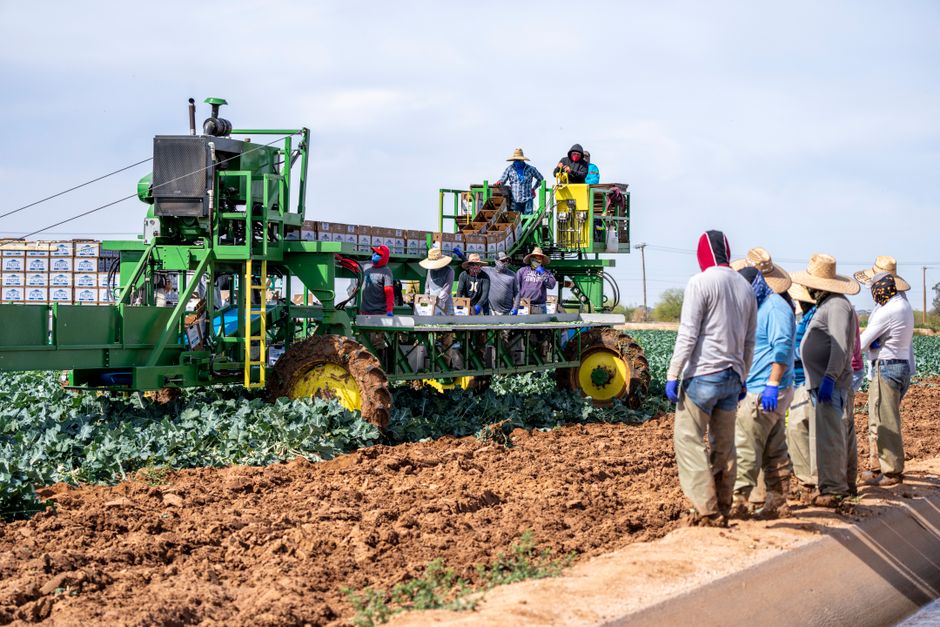
The move is raising eyebrows across Ontario's agricultural and rural business communities, where labour shortages have long been a pressure point. The federal program in question would have allowed rural employers, think farms, food processors, and small-town businesses, to bring in more workers from abroad to fill roles that go unfilled domestically.
What Was on the Table
The federal government's offer was positioned as a targeted solution to a well-documented problem: rural Ontario employers consistently struggle to find enough workers locally, especially in seasonal industries like agriculture and food production. Ottawa's proposal would have eased caps or eligibility requirements that currently limit how many TFWs a rural employer can bring on.
The Temporary Foreign Worker program has been a lifeline for many of Ontario's rural communities, where local labour pools are thin and turnover is high. Expanding access was seen by many industry groups as a practical, if imperfect, fix.
Why Ford Said No
The Ford government has not detailed its full reasoning publicly, but provincial governments have historically pushed back on TFW expansion over concerns about worker protections, housing pressures in small communities, and the preference for longer-term immigration pathways rather than temporary solutions. Ontario has also been vocal about wanting more control over immigration and labour programs tailored to its specific economic needs.
Critics of the decision, however, argue that walking away from a ready-made federal offer, without an alternative in place, leaves rural employers in a bind heading into peak hiring season.
What It Means for Rural Ontario
For farm operators, greenhouse growers, and rural food businesses across the province, this rejection could mean heading into another season short-staffed. Labour advocacy groups have long called for better protections within the TFW program, but business associations tend to argue the priority right now is simply having enough workers to keep operations running.
The tension between Ottawa and Queen's Park over labour and immigration programs is nothing new, but for rural Ontario communities caught in the middle, the back-and-forth has real consequences. Farms don't run on policy debates; they run on workers.
What Happens Next
It's unclear whether the federal government will adjust its offer or pursue other channels to get more workers into rural Ontario. The Ford government, for its part, hasn't announced any alternative plan to address the rural labour shortage.
For anyone in Ottawa's orbit working in agri-food policy or rural economic development, this story is worth watching closely. It signals that provincial-federal friction on labour issues is far from resolved.
Source: Toronto Star via Google News Ottawa

