Ottawa's housing market in 2026 continues to test buyers, and one of the most common questions from first-timers and move-up buyers alike is the same: freehold or condo? Both paths have real merit, and real trade-offs, depending on your budget, lifestyle, and long-term goals.
What You're Actually Buying
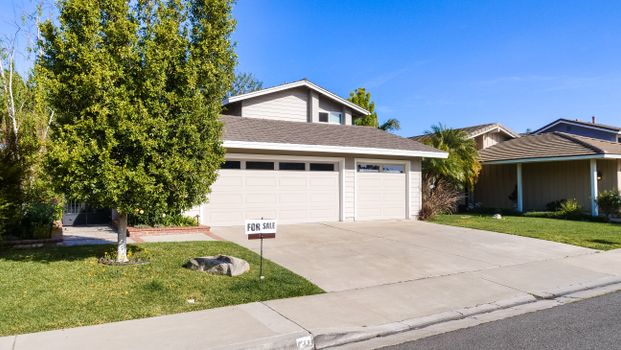
In Ottawa, a freehold property means you own the land and the structure outright. No condo corporation, no monthly maintenance fees, and no one voting on whether you can renovate your kitchen. Freehold homes, including semis and townhouses, tend to be located further from the core, in neighbourhoods like Barrhaven, Orleans, Kanata, and Stittsville.
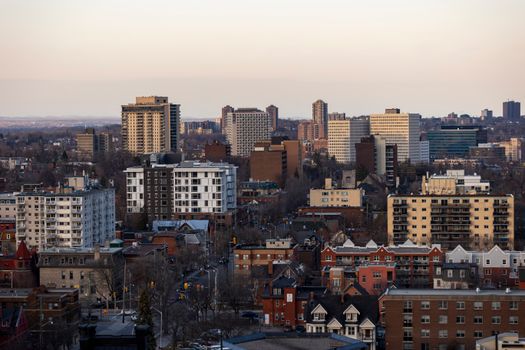
A condo, by contrast, gives you ownership of your unit while sharing responsibility for common areas. Monthly condo fees cover things like building maintenance, amenities, and reserve fund contributions. Ottawa's condo supply has grown significantly in recent years, particularly in Centretown, Hintonburg, Westboro, and along the LRT corridor.
The Financial Case for Freehold
Freeholds have historically appreciated faster in Ottawa than condos on a per-square-foot basis over longer holding periods. You also avoid condo fees, which in Ottawa can range from under $400 to well over $700 per month depending on the building's age and amenities. Over a 10-year ownership period, that adds up to a significant sum.
Freeholds also give you more control over renovations and improvements, a key lever for building equity. If you're the type to add a finished basement, update a kitchen, or add a deck, a freehold property lets you capture that value directly.
The downside: entry prices are meaningfully higher. A freehold townhouse in the suburbs will cost considerably more upfront than a comparable condo unit closer to downtown, and mortgage carrying costs reflect that.
The Financial Case for Condos
Condos offer a lower barrier to entry in Ottawa's market. For buyers who want to live in a walkable, transit-connected neighbourhood, close to the office, the ByWard Market, or a Trillium Line station, a condo is often the only realistic path to ownership.
Condos also shift maintenance responsibility away from the owner. No roof repairs, no driveway to pave, no furnace to replace on your own dime (in most buildings). For busy professionals or people who travel frequently, that peace of mind has real financial value.
The risk: special assessments. Older Ottawa buildings sometimes face unexpected repair bills that get passed to unit owners. Always review a condo's status certificate and reserve fund study before buying.
Location Still Drives Everything
In Ottawa, freehold versus condo is often really a question of where you want to live. The LRT has made condo living in the inner city more practical than ever. You can get from Tunney's Pasture to Blair Station in under 20 minutes. That accessibility premium is priced into condos near stations, but it's a real quality-of-life benefit.
For families needing more space, or buyers who prioritize a backyard and a garage, the suburban freehold still makes strong financial sense, especially as remote and hybrid work reduces the need to commute daily.
The Bottom Line for 2026
There's no universal right answer in Ottawa's market this year. If you're buying for the long term and value land ownership and renovation flexibility, a freehold, even further out, tends to build equity more reliably. If location, lifestyle, and a lower purchase price matter more, a well-managed Ottawa condo in a transit-connected neighbourhood remains a sound investment.
Work with a local Ottawa realtor who knows your target neighbourhoods, get a copy of the condo's reserve fund if applicable, and run the numbers with both options before deciding.
Source: Ottawa real estate market data 2026