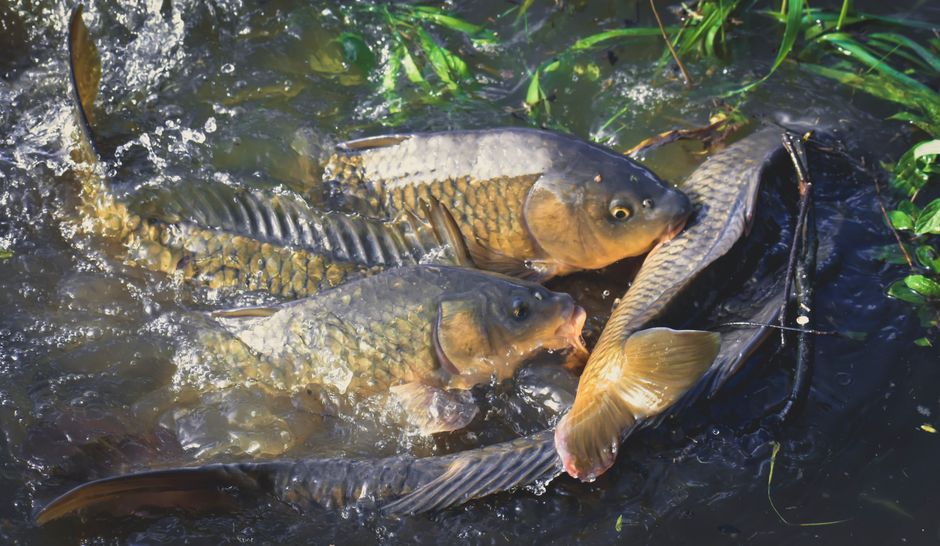
Ottawa's rivers have long been a defining feature of the city, the Ottawa River carving the boundary between Ontario and Quebec, the Rideau winding through the heart of the capital. But a sweeping new global report is sounding the alarm on the very fish that call these waterways home, warning that migratory freshwater species are in accelerating decline worldwide.
Published in March, the assessment, described as one of the most comprehensive of its kind, identified 325 species of migratory freshwater fish that cross international borders and urgently need coordinated, deliberate action to survive. The findings paint a sobering picture: dams, pollution, habitat loss, and climate change are collectively hammering populations that have swum the same routes for millennia.
What's Happening to Migratory Fish
Migratory freshwater fish are species that move between different bodies of water, rivers, lakes, and sometimes the ocean, to feed, spawn, or overwinter. Think of species like the American eel, once abundant in the Ottawa and St. Lawrence river systems, or Atlantic salmon, which historically pushed deep into Quebec and Ontario watersheds before dams and development blocked their paths.
The global assessment found that these fish are being squeezed from all sides. Hydroelectric dams fragment river corridors, cutting off spawning grounds. Agricultural runoff degrades water quality. Warmer water temperatures, driven by climate change, are shifting the timing and location of migrations. And in many regions, overfishing compounds these pressures.
The Ottawa River Connection
The Ottawa River watershed spans roughly 146,000 square kilometres and drains into the St. Lawrence. It has historically supported species like walleye, pike, and various species of migratory cisco and lake whitefish. The American eel, one of the most remarkable migratory fish in North America, travelling from the Sargasso Sea all the way to inland freshwater systems, once thrived here before dams sharply curtailed their upstream journeys.
Conservation groups in the region, including Fisheries and Oceans Canada and local watershed authorities, have been working on fish passage improvements for years. Fish ladders, bypass channels, and seasonal flow management are among the tools being used, but advocates say far more is needed, especially as the global picture worsens.
Why International Cooperation Matters
The March report specifically highlights that because these fish cross international borders, no single country can protect them alone. A species that spawns in Canadian rivers but spends part of its life cycle in U.S. waters, or even the Atlantic Ocean, requires binational and sometimes multinational agreements to manage effectively.
For Canada, that means working with the United States on shared river systems and advocating for stronger international frameworks under agreements like the Convention on Migratory Species.
What You Can Do Locally
Ottawa residents can play a small but meaningful role. Supporting local conservation organizations, reducing lawn chemical use near waterways, and advocating for stronger protections on the Ottawa and Rideau rivers all contribute to healthier freshwater ecosystems. The Mississippi Valley Conservation Authority and Ottawa Riverkeeper both run local programs for residents who want to get involved.
The fish that move through Ottawa's waters don't know political borders, and protecting them will take a coordinated effort that starts right here at home.
Source: CBC Ottawa / Day 6, via CBC RSS feed

