Ottawa Drivers Feeling the Squeeze
Ottawa drivers know the drill, pull up to the pump, wince at the price, and wonder when it's going to get better. Lately, that wince has been particularly sharp, with fuel costs climbing across the city and the surrounding region. But a new development on the world stage may offer some breathing room in the weeks ahead.
A two-week ceasefire between the United States and Iran has officially begun, and energy market watchers are already noting its potential impact on global oil prices, and by extension, what you'll pay to fill up your tank in Ottawa.
Why Iran Affects Your Gas Bill
It might seem strange that a conflict thousands of kilometres away has a direct effect on what you pay at a Barrhaven Esso or a Kanata Petro-Canada, but that's the reality of how global oil markets work. Iran is one of the world's significant oil producers, and any tension, or easing of tension, in the region sends ripples through crude prices almost immediately.
When conflict escalates between major players like the U.S. and Iran, traders price in the risk of supply disruptions, pushing crude higher. When things cool down, as they appear to be doing with this ceasefire, that risk premium starts to ease off. Lower crude prices typically work their way to the pump within a few days to a couple of weeks.
What Ottawa Drivers Are Saying
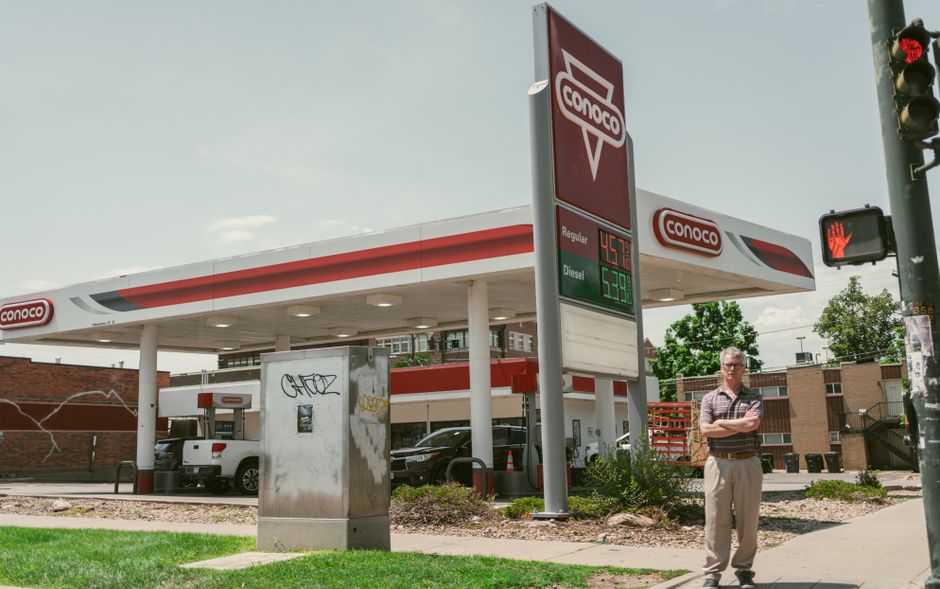
CBC Ottawa's Joseph Tunney hit the streets to get a sense of how locals are coping with the current fuel costs. The feedback wasn't surprising, people are frustrated, adjusting their habits, and watching the numbers closely.
For many Ottawa commuters who rely on their vehicles, especially those living in suburban areas like Stittsville, Orleans, or Manotick where transit options are more limited, fuel costs aren't an abstract number. They're a real monthly expense that squeezes household budgets alongside groceries, rent, and everything else that's gotten more expensive in recent years.
Some drivers told CBC they've been consolidating trips, carpooling more, or reconsidering whether that weekend drive to the Gatineau Hills is worth it right now.
Will the Ceasefire Actually Help?
The short answer: possibly, but don't expect overnight miracles.
Ceasefires are inherently fragile, and oil markets know it. Traders will be watching closely to see whether the two-week truce holds and whether it leads to any longer-term de-escalation. If it does, downward pressure on crude prices could build, and Ottawa drivers might see some relief at the pump heading into late April and May.
On the other hand, if the ceasefire breaks down or tensions flare up again, prices could spike just as quickly as they fell.
The Bigger Picture for Ottawa
Gas prices are one of those issues that cut across every corner of Ottawa, whether you're a tradesperson driving a work van in Nepean, a family shuttling kids to hockey in Gloucester, or a student trying to afford the commute to campus. When prices rise, everyone notices.
For now, the ceasefire news is at least something to be cautiously optimistic about. Keep an eye on the pumps over the next couple of weeks, relief may be on the way, even if it's not guaranteed.
Source: CBC Ottawa / Joseph Tunney. Original report at CBC.ca.

