Ottawa Tech Fans, Meet Your New AI Errand Runner
For Ottawa residents who've been watching the AI assistant space with cautious optimism, the latest demo from Google's Gemini might be the most convincing glimpse yet of where this technology is actually headed.
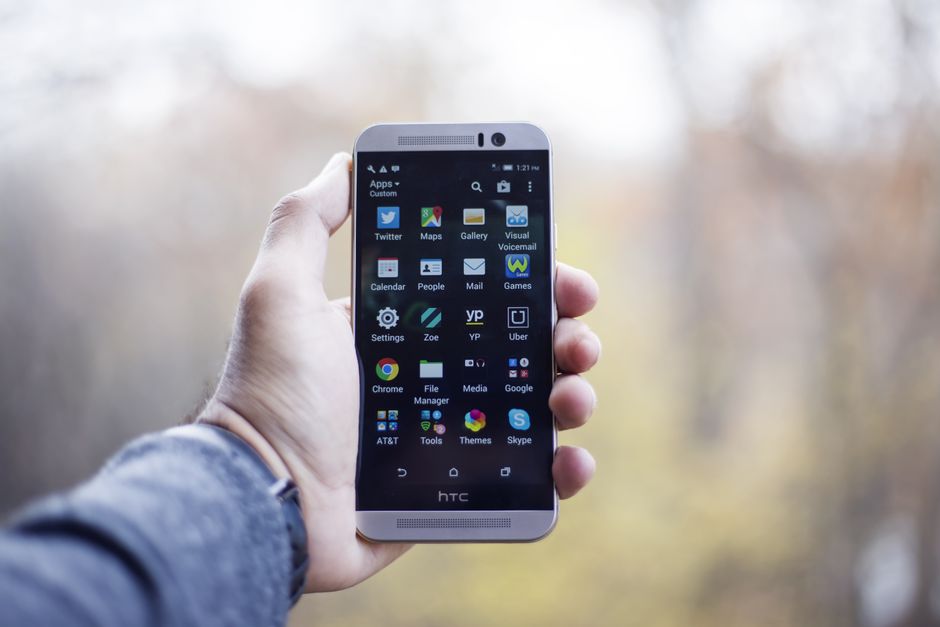
Google has rolled out a new task automation feature for Gemini on the Pixel 10 Pro and Samsung Galaxy S26 Ultra, and for the first time, the AI assistant doesn't just answer your questions. It picks up your phone, opens your apps, and does things for you.
Right now, the feature is limited to a small handful of food delivery and rideshare apps, think DoorDash and Uber, and it's still clearly in beta. But even in this early, limited form, it's turning heads.
What Does It Actually Do?
The premise is simple: instead of you navigating through an app yourself, you tell Gemini what you want, and it handles the taps, searches, and selections on your behalf. Want to order a pizza? Gemini opens the app, finds your usual place, builds the order, and hands it off for your confirmation.
It sounds like a small thing. And in practice, the experience is admittedly rough around the edges, reviewers describe it as slow and clunky at times. It doesn't solve a problem that was truly difficult before. You were already pretty good at ordering your own takeout.
But that's almost beside the point.
Why This Actually Matters
The significance here isn't that Gemini can order you a burger. It's that this is the first time a mainstream AI assistant has been demonstrated doing real, on-device app interactions in a live consumer product, not in a polished keynote video with perfect conditions, but in actual hands-on testing.
For Ottawa's growing tech community, from Kanata's tech corridor to the startup scene downtown. This represents a meaningful shift. The gap between "AI that talks" and "AI that acts" is finally starting to close, even if we're still in the earliest stages.
The implications stretch far beyond food delivery. Once AI can reliably navigate one type of app, the path to handling calendars, email, transit apps, and shopping becomes much shorter. Ottawa commuters who rely on OC Transpo apps or local delivery services could one day hand off routine phone tasks entirely.
Still Early Days, But Worth Watching
To be clear: this is beta software on specific hardware, and the current version is more proof-of-concept than daily driver. The slowness alone would frustrate most users who are used to the speed of tapping through an app themselves.
But the trajectory matters. A year ago, this kind of phone-level task automation was theoretical. Today it's on retail hardware, in users' hands.
For anyone in Ottawa who follows where technology is going, whether you're a developer, a student at uOttawa or Carleton, or just someone who loves being an early adopter. This is a development worth paying close attention to.
The AI assistant that can actually get things done is no longer just a promise. It's just not quite ready for prime time. Yet.
Source: The Verge