Ottawa's Glebe Could Get a Major Affordable Housing Win
Ottawa city council is preparing to vote on a proposal that would convert a vacant parking lot in the Glebe into as many as 90 not-for-profit housing units, a move that could mark a meaningful step forward in the city's ongoing battle with housing affordability.
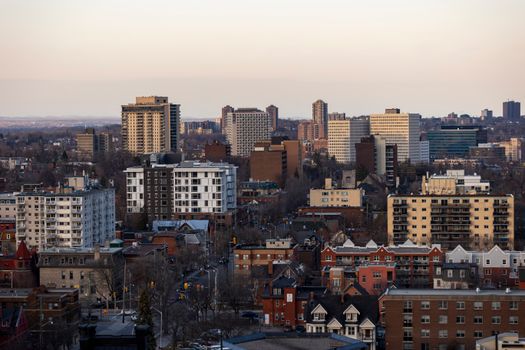
The plan, which is heading to council later this week, targets an underused surface parking lot in the Glebe, a centrally located, walkable neighbourhood that has long been one of Ottawa's pricier addresses. Turning dormant pavement into purpose-built affordable homes is exactly the kind of intensification that housing advocates have been pushing the city to pursue.
Why This Matters for Ottawa Renters
Ottawa's rental market has been under significant strain in recent years. Average rents for a one-bedroom in central neighbourhoods like the Glebe routinely exceed $2,000 a month, pushing lower- and middle-income residents further from the urban core. Adding 90 not-for-profit units in this location would put affordable housing in a neighbourhood with excellent access to transit, the Rideau Canal, Bank Street shops, and Lansdowne Park, amenities that are typically out of reach for those relying on subsidized housing.
Not-for-profit housing operates outside the market rental system, meaning units are typically offered at rates geared to income rather than whatever the market will bear. For Ottawa families and individuals who qualify, that distinction can be the difference between staying in the city and being priced out entirely.
Parking Lots as Housing Opportunities
This proposal is part of a broader rethink happening in cities across Canada about how surface parking is used. Ottawa, like Toronto and Vancouver, has begun scrutinizing underperforming city-owned and privately held parking lots as potential housing sites. In a dense, established neighbourhood like the Glebe, where greenfield development is essentially impossible, these lots represent some of the last viable land for new construction.
Urban planners and housing advocates have long argued that single-storey parking infrastructure is one of the least efficient uses of centrally located urban land. A six-storey or mid-rise residential building on the same footprint can house dozens of families while leaving room for ground-floor retail or community space.
What Comes Next
The proposal still needs council approval before any shovels go in the ground. If councillors green-light the plan, it would move into the design and permitting phase, a process that typically takes a year or more in Ottawa before construction can begin.
Community consultation with Glebe residents is also likely to be part of the process. While the neighbourhood has historically been receptive to community-minded development, any project of this scale will need to address questions around parking replacement, building height, and fit with the existing streetscape.
For Ottawa residents watching the housing crisis unfold, this vote is one to watch. Ninety units won't solve the city's affordability crunch on their own, but they're a meaningful addition, and in the Glebe, they'd land in exactly the kind of location where affordable housing is most needed and most scarce.
Source: Ottawa Business Journal