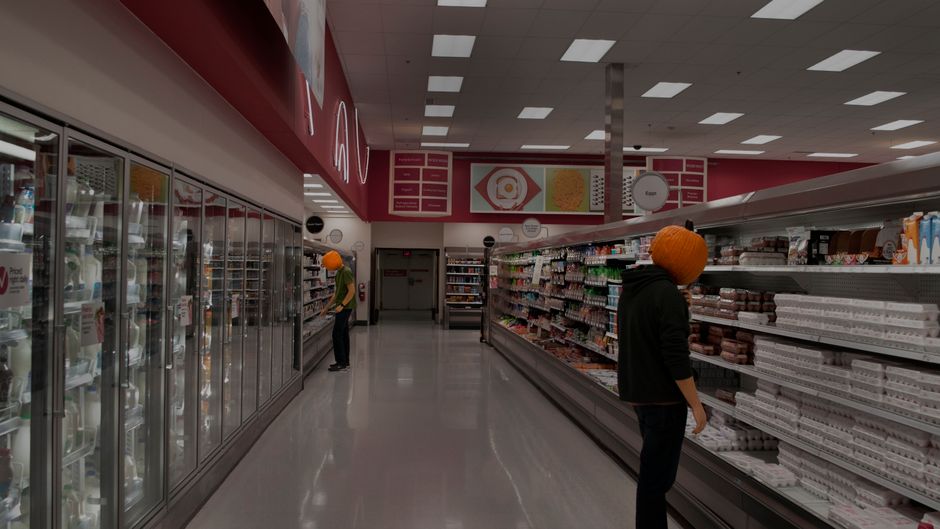
Ottawa Shoppers Know the Grocery Struggle
Ottawa residents have been feeling the squeeze at the checkout for years, and a new federal food strategy is promising to finally take on one of the biggest culprits: a lack of real competition in Canada's grocery sector.
Canada's grocery market is dominated by just a handful of major chains. Loblaw, Sobeys, and Metro control the lion's share of retail food sales across the country. For Ottawa shoppers, that means fewer meaningful choices, less price pressure on retailers, and grocery bills that keep climbing even as inflation eases elsewhere in the economy.
What's in the Government's Food Strategy?
The federal government's new food strategy is designed to shake up that status quo. Key elements under consideration include measures to make it easier for independent grocers and international chains to enter the Canadian market, stronger oversight of pricing practices, and potential regulatory changes to reduce the barriers that have long kept big foreign competitors like Costco and Aldi from expanding more aggressively.
The strategy also looks at the role of grocery codes of conduct, voluntary agreements between retailers and suppliers meant to keep pricing fair up the supply chain. Critics have long argued these codes lack teeth, and the new approach may push for enforceable standards.
Why Competition Matters for Your Wallet
Economists have pointed to Canada's grocery oligopoly as a key structural reason why food prices here have remained stubbornly high compared to peer countries. When only three or four companies control most of the market, there's little incentive to aggressively compete on price.
For Ottawa families, especially those in suburban areas or lower-income neighbourhoods with fewer store options, the lack of competition hits hardest. Community advocates in the city have long called for more affordable grocery options, particularly in areas underserved by major chains.
Skeptics Ask: Is It Enough?
Not everyone is convinced the strategy will move the needle. Some consumer advocates argue that voluntary measures and slow-moving regulatory changes won't deliver meaningful relief at the checkout in the near term. They're pushing for bolder action, including the possibility of price controls on staple items during periods of high inflation.
Retailers, for their part, have pushed back on the narrative that they are the primary driver of food inflation, pointing to rising supply chain costs, labour expenses, and global commodity prices as the real culprits.
What Comes Next
The federal government is expected to consult with industry, consumer groups, and provinces, including Ontario, before finalizing the strategy. Ottawa-area MPs and community organizations will likely have a role to play in shaping what ends up on the table.
For now, Ottawa shoppers will be watching closely to see whether the plan translates into real savings, or remains another policy document that promises more than it delivers.
Source: CBC News via Google News Ottawa

