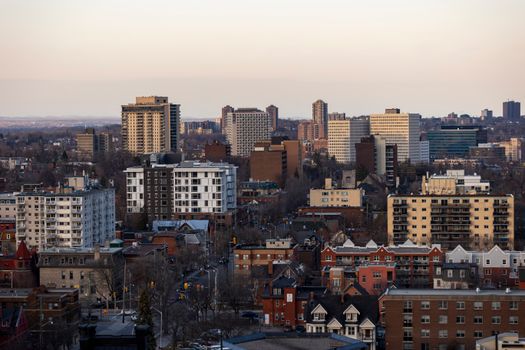
Ottawa homeowners have watched property values climb steadily over the past several years, and that accumulated equity isn't just a number on paper. It can be put to work. A Home Equity Line of Credit, or HELOC, lets you borrow against the equity in your home at a relatively low interest rate, making it one of the most flexible financing tools available to Canadians.
What Is a HELOC and How Does It Work?
A HELOC is a revolving line of credit secured against your home. Unlike a traditional mortgage or personal loan, you can draw from it, repay it, and borrow again, much like a credit card, but typically at a far lower rate. In Canada, lenders can offer a HELOC of up to 65% of your home's appraised value, though your total mortgage-plus-HELOC borrowing cannot exceed 80% of that value.
For many Ottawa homeowners, especially those who purchased before the market surged, this means access to a meaningful amount of credit.
Common Uses for Ottawa Homeowners in 2026
Home Renovations: This is the most popular use of a HELOC in Ottawa. Whether you're updating a dated kitchen in Westboro, finishing a basement in Barrhaven, or adding an accessory dwelling unit to increase rental income, renovation financing through a HELOC typically costs less than unsecured credit.
Investment Properties: Some Ottawa investors use a HELOC on their principal residence as a down payment on a second property. With Ottawa's rental market remaining tight and demand for long-term rentals strong, this strategy can make sense, though it amplifies risk, so it warrants careful planning with a mortgage broker or financial advisor.
Debt Consolidation: High-interest debt can be rolled into a HELOC at a lower rate, freeing up monthly cash flow.
What You Need to Qualify
To access a HELOC in Ottawa, lenders will look at several factors:
- Sufficient equity: You need at least 20% equity in your home after the HELOC is factored in.
- Strong credit score: Most major lenders want to see a score of 650 or higher, with better rates available above 720.
- Stable income: You'll need to demonstrate you can service the debt, especially with the federal stress test applied at the qualifying rate.
- Current appraisal: Your lender will order an appraisal, either a full appraisal or a drive-by/desktop assessment, to confirm your home's current market value.
Watch the Variable Rate
Most HELOCs in Canada are variable-rate products tied to the lender's prime rate. In 2026, with the Bank of Canada having moved rates through a cycle of hikes and subsequent cuts, it's worth stress-testing your budget against potential rate movement before drawing heavily on a HELOC. Monthly payments on a HELOC are often interest-only, which keeps them manageable, but the principal doesn't shrink unless you make extra payments.
Tips for Ottawa Homeowners
- Shop around: Credit unions like Alterna Savings and caisse populaires active in Ottawa sometimes offer more flexible HELOC products than the big banks.
- Use it for assets, not lifestyle: A HELOC used to fund renovations or investment grows your net worth. Using it to cover recurring expenses can lead to a debt spiral.
- Revisit your limit after major renos: Significant improvements can increase your appraised value, potentially unlocking additional equity.
If you're unsure where to start, an Ottawa-based mortgage broker can walk you through the numbers at no cost to you. They're paid by the lender.
Source: Ottawa real estate market data 2026