Ottawa residents eyeing rural properties in the surrounding region are facing a new layer of uncertainty, as a high-speed rail proposal has sent a visible chill through the rural real estate market, particularly along corridors stretching toward Kingston and beyond.
What's the Proposal?
The high-speed rail concept, part of broader discussions about modernizing passenger rail in the Quebec City–Windsor corridor, has resurfaced with renewed political momentum. While the full route details remain subject to study and consultation, the mere possibility of a new rail corridor has been enough to spook buyers and sellers in rural communities.
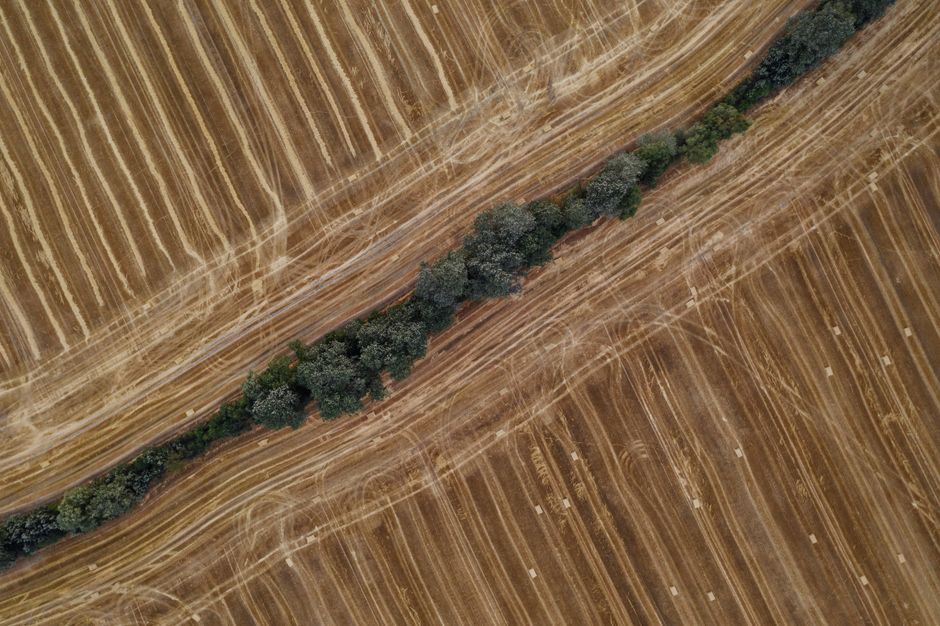
In markets like those west of Ottawa toward Kingston, real estate agents are reporting hesitation from clients who fear their properties could sit on or near a future right-of-way. The concern is real: high-speed rail corridors require significant land, and where governments expropriate, market values can become unpredictable.
Why Rural Buyers Are Nervous
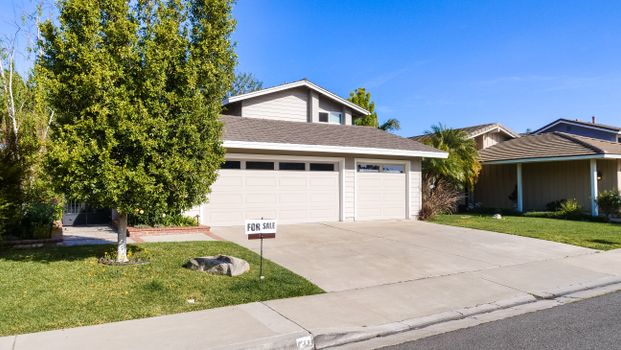
For many Ottawans, the rural real estate market has been an appealing escape hatch from the city's rising prices. Acreages, hobby farms, and country homes within 60–90 minutes of the capital have attracted remote workers, retirees, and young families alike over the past few years.
But expropriation risk changes the calculus significantly. If your property falls within a proposed corridor, even a speculative one, lenders may be cautious, buyers may walk away, and resale value could take a hit before a shovel ever hits the ground.
Real estate professionals in the region are urging anyone buying or selling rural property to conduct thorough due diligence: check with municipal planning departments, review any federal or provincial corridor protection notices, and consult a real estate lawyer before signing anything.
What This Means for Ottawa's Housing Picture
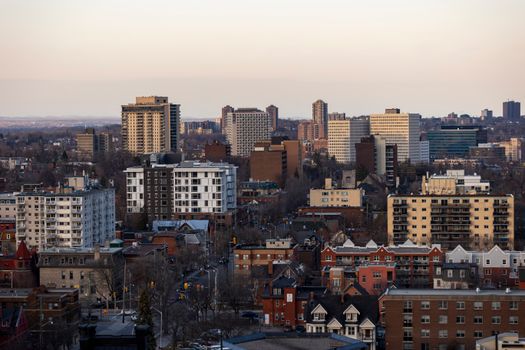
For Ottawa proper, the implications are more nuanced. High-speed rail, if it ever materializes in a meaningful form, could actually boost urban property values by making the capital more accessible and economically connected. A faster rail link to Toronto or Montreal would be a significant quality-of-life upgrade for Ottawans who travel frequently for work.
But the short-term effect on the rural fringe, communities that many Ottawans have come to rely on as affordable alternatives to urban living, is a net negative for now. Uncertainty is the enemy of real estate markets, and this proposal has introduced plenty of it.
What to Watch
The federal government has committed to further study and consultation on the high-speed rail file, but timelines remain vague. Industry observers expect it could be years before any route is officially designated, if it happens at all.
In the meantime, anyone with property or purchase plans in rural Eastern Ontario would be wise to stay informed. Municipal councils along potential corridors are beginning to ask their own questions, and the answers could shape land-use planning in the region for decades.
For Ottawa buyers who've been dreaming of a country property, it may be worth a conversation with your agent about which areas carry corridor risk, and which don't.
Source: The Kingston Whig Standard. This article is based on reporting from that publication.