Ottawa drivers who like to roll down a downtown street and pop on their hazards for "just a minute" are about to pay a lot more for the privilege. The city has increased fines for no-stopping and no-parking violations on downtown streets, according to CTV News, part of an effort to cut down on the illegal stops and double-parking that regularly clog core routes during rush hour.
Why the change
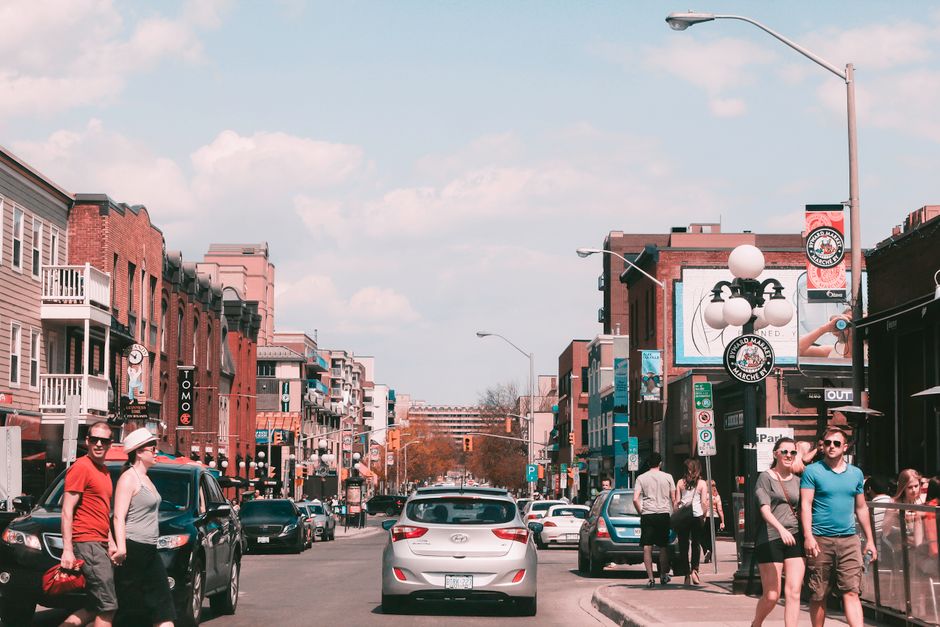
Anyone who has tried to get through downtown Ottawa during the morning or evening commute knows the drill: a delivery van or rideshare driver stopped in a no-stopping zone, forcing traffic to squeeze around it or come to a dead stop. Those brief stops add up, slowing buses, cyclists, and other drivers, and the city has pointed to congestion on key downtown corridors as the reason for cracking down harder.
No-stopping and no-parking infractions are different from a simple expired meter. No-stopping zones typically cover areas where any pause, even to drop someone off, is prohibited during certain hours, often to keep transit lanes and busy arteries clear. No-parking zones allow brief stops but not parking. Both have historically carried lower fines than more serious violations like blocking a fire route or parking in an accessible spot, which critics have said made them easy to treat as a cost of doing business for delivery drivers and rideshare services working the downtown core.
What it means for Ottawa drivers
With the higher fines now in effect, motorists who stop in these zones downtown will face a bigger hit than before. The city has not been shy about using enforcement as a traffic management tool downtown, particularly along routes that carry heavy transit and cycling traffic, and this increase fits that pattern. For anyone who regularly drives, delivers, or rideshares through the downtown core, it is worth double-checking signage before pulling over, even for a quick stop.
Downtown Ottawa's streets, from Bank Street to the Byward Market area, already deal with a mix of construction, transit priority lanes, and heavy pedestrian and cyclist traffic. City officials have leaned on parking and stopping enforcement in the past as a lower-cost way to smooth out congestion without major infrastructure changes, and this fine increase appears to be another step in that direction.
The bottom line
If you drive downtown, the message from the city is clear: that quick stop in a no-stopping zone is no longer worth the risk. Ottawa residents who rely on downtown streets for their daily commute may see some benefit if the higher fines actually cut down on the illegal stops that back up traffic, though it will take time to see whether the change makes a real dent in downtown congestion.
Motorists are encouraged to watch for updated signage and to plan drop-offs and deliveries around designated loading zones rather than risk a costly ticket on Ottawa's busiest downtown streets.
Source: CTV News, via Google News.