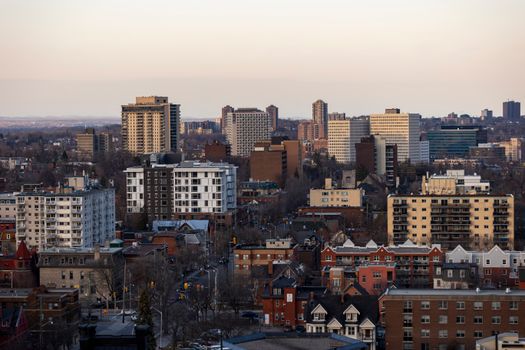
Ottawa's Hintonburg neighbourhood has quietly become one of the city's most watched real estate markets, and in 2026 that attention is only growing. Sandwiched between Wellington West and Mechanicsville, this former working-class district has spent the last decade transforming into a hub for artists, young professionals, and independent businesses, and property values have followed.
From Arts District to Hot Market
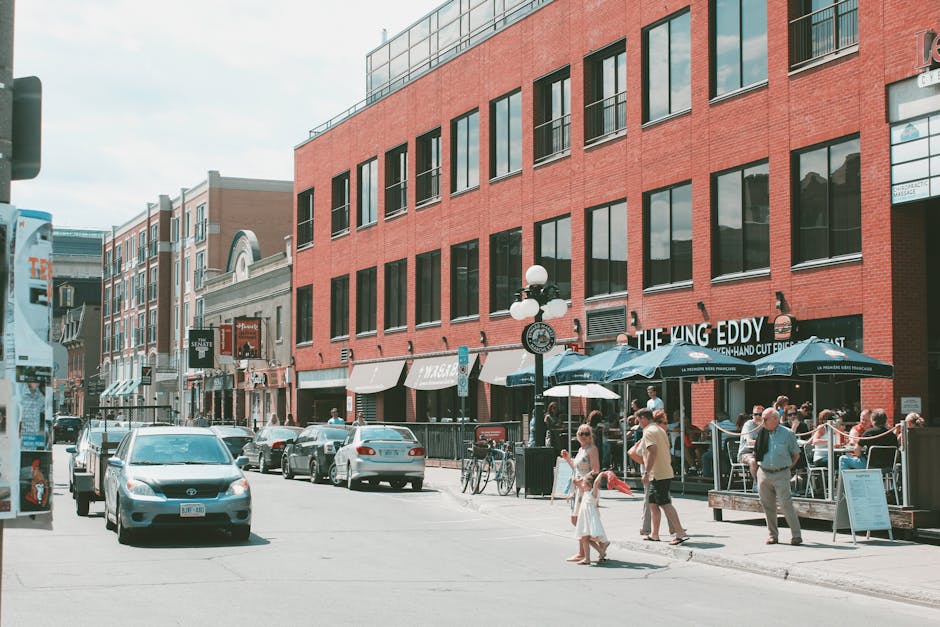
Hintonburg's evolution didn't happen overnight. The area's industrial heritage, old warehouses, squat brick storefronts, and modest post-war housing, gave it the raw character that creative communities gravitate toward. Galleries, coffee roasters, vintage shops, and chef-driven restaurants moved in along Parkdale Avenue and Wellington West, and housing demand followed closely behind.
By 2026, the neighbourhood is firmly in gentrification's later stages. The artists and small-business owners who helped define its identity now face the same affordability pressures they've been part of creating. Entry-level semis and row houses that once attracted first-time buyers have seen prices rise significantly over the past several years, putting homeownership out of reach for many younger Ottawans.
What Buyers Can Expect
Detached homes in Hintonburg remain rare and command premium prices when they do come to market. More commonly, buyers will encounter semi-detached houses, stacked townhomes, and low-rise condo units. The neighbourhood's older housing stock means buyers should budget for potential renovation costs, but that same stock offers charm and character that newer builds in the suburbs simply can't replicate.
Condos and purpose-built rental buildings have been filling in vacant lots and underused parcels throughout the area. These newer units appeal to downsizers and investors alike, though condo fees and the overall per-square-foot cost in Hintonburg are noticeably higher than in comparable inner-city neighbourhoods.
Investment Outlook for 2026
For investors, Hintonburg continues to offer a compelling case. Its walkability score is among the highest in Ottawa, with quick access to the Tunney's Pasture LRT station, Dow's Lake, and Chinatown. Rental demand remains strong, driven by proximity to government offices, the University of Ottawa, and Carleton University commuters willing to pay for convenience.
Small multi-unit properties, duplexes and triplexes, are increasingly sought after, particularly as investors look for properties that generate income while offsetting carrying costs in a still-elevated interest rate environment. Turnkey units rent quickly in this pocket of the city.
That said, investors should be aware that the neighbourhood's desirability has already been priced in to a significant degree. The days of buying cheap and waiting for appreciation are largely behind Hintonburg. Returns now depend more on thoughtful renovation, smart rental management, and a longer time horizon.
Displacement and Community Tension
No honest look at Hintonburg's real estate picture in 2026 can ignore the social costs of rapid appreciation. Long-term residents, including many artists, newcomers, and lower-income families, have been pushed out as rents and sale prices have climbed. Community organizations and the City of Ottawa have been working on affordable housing and tenant protection measures, but the pressure remains real.
For buyers and investors considering the neighbourhood, engaging with local businesses and community groups isn't just good ethics. It's also smart market intelligence.
Should You Buy in Hintonburg?
If you're looking for a walkable, vibrant Ottawa neighbourhood with strong rental demand and long-term value, Hintonburg remains a solid choice, provided you go in with realistic expectations about price points and renovation budgets. It's not a hidden gem anymore, but it is a mature, resilient urban market with staying power.
Source: Ottawa real estate market data 2026