Ottawa's Arts Scene and the Hip-Hop Recognition Gap
Ottawa's vibrant arts community is increasingly part of a coast-to-coast reckoning: is hip-hop getting the respect it deserves from Canadian art institutions?
A new conversation sparked by CBC is asking whether galleries across Canada, including right here in the capital, are truly valuing hip-hop culture as a serious artistic movement. For many local artists and fans, the answer is complicated.
Hip-hop is now over 50 years old. It has spawned visual art movements, fashion, film, literature, and some of the most commercially and critically successful music of the past three decades. Yet walk into most major Canadian galleries, and you'd be hard-pressed to find meaningful programming dedicated to the culture that has shaped generations of young people, including Ottawa youth.
What Ottawa's Galleries Are (and Aren't) Doing
The National Gallery of Canada, located right in Ottawa, has made strides in diversifying its collections and programming in recent years. But dedicated hip-hop exhibitions or immersive installations celebrating the culture's visual and musical legacy remain rare.
Compare that to major institutions in the United States, like the Universal Hip Hop Museum in the Bronx, or dedicated exhibitions at the Smithsonian, and the gap becomes clear. Canadian galleries have been slower to treat hip-hop with the same institutional seriousness they give to jazz, blues, or classical traditions.
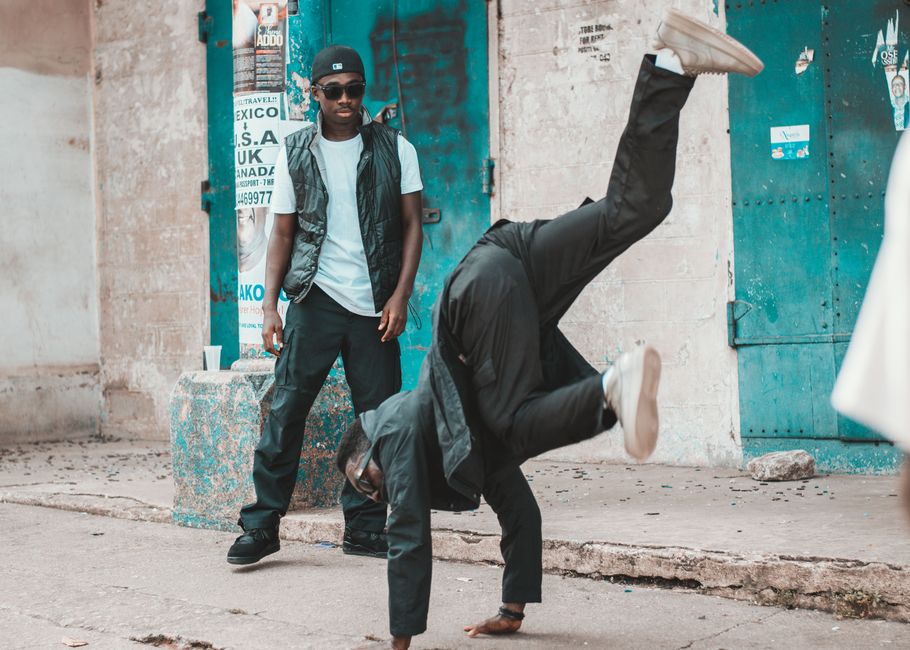
Local Ottawa artists and community organizers have long pushed back against this. Grassroots hip-hop events, open mics, and community showcases have filled the void for years, giving Ottawa's Black artists and youth a platform that formal institutions haven't always offered.
Why This Matters for Local Culture
The question isn't just academic. When a city's institutions don't reflect the full range of its cultural life, entire communities feel invisible. Ottawa has a growing and talented hip-hop community, producers, MCs, visual artists, and dancers, who deserve to see their work treated with the same seriousness as a Lawren Harris landscape.
There's also a practical dimension: younger audiences engage with galleries when those spaces feel relevant to their lives. Hip-hop brings energy, storytelling, and community. It's exactly the kind of culture that could help Ottawa's galleries feel less like temples and more like living, breathing parts of the city.
A National Conversation with Local Roots
The CBC's examination of this issue reflects something Ottawa cultural workers have known for a while: the conversation about representation in the arts isn't just about visual artists or writers. It's about an entire sonic and visual movement that has defined urban life for decades.
As Ottawa continues to grow and diversify, the city's cultural institutions have an opportunity, and arguably a responsibility, to lead on this. That might mean dedicated hip-hop programming, acquiring works by Black Canadian artists rooted in the culture, or simply opening up curatorial conversations to communities that have historically been shut out.
Hip-hop isn't a trend. It's a cultural institution in its own right. It's time Canada's galleries treated it that way, and Ottawa, home to the National Gallery, could be the place that sets the tone.
Source: CBC via Google News Ottawa Arts