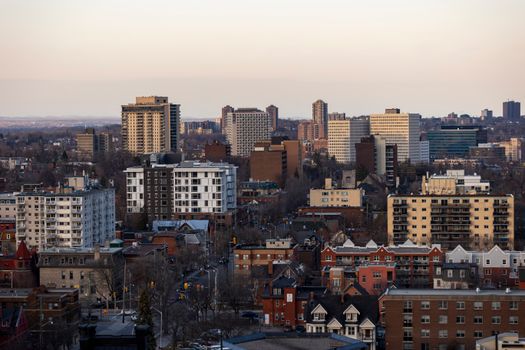
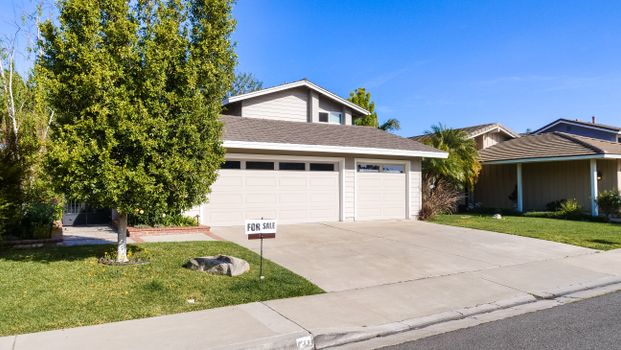
Ottawa's housing market continues to challenge first-time buyers and move-up purchasers alike, as new data reveals just how much annual income a household needs to afford a home in the capital in 2026.
Ottawa remains one of Canada's more attainable major cities for homeownership, but "attainable" is relative when the numbers still demand a six-figure salary for most detached properties.
The Income Threshold for Ottawa Buyers
According to the latest analysis from CTV News, buyers looking at an average-priced detached home in Ottawa, currently hovering around the $750,000 mark, need a household income of roughly $130,000 to $140,000 to qualify for an uninsured mortgage under Canada's current stress test rules. That assumes a 20% down payment of around $150,000, leaving a mortgage of approximately $600,000.
For buyers with a smaller down payment (under 20%), mortgage insurance kicks in through CMHC, which slightly lowers the qualifying income threshold but adds insurance premiums to the total cost of borrowing.
Condos and Townhomes Offer a Lower Bar
For those willing to start smaller, Ottawa's condo and townhome markets offer a more accessible entry point. A one-bedroom condo priced around $375,000–$425,000 requires an income closer to $70,000–$80,000 to qualify, still a stretch for many solo buyers, but achievable for dual-income households.
Townhomes in areas like Barrhaven, Kanata, and Orleans, typically priced between $550,000 and $650,000, require incomes in the $100,000–$115,000 range, making them a popular middle-ground option for young families.
How Ottawa Compares to Other Canadian Cities
Relative to Toronto and Vancouver, Ottawa still looks like a bargain. Buyers in those cities need incomes north of $200,000 to afford an average detached home. Ottawa's market, while expensive by historical standards, remains one of the more reachable in the country for professionals with stable government or tech sector employment.
That said, Ottawa's benchmark home price has risen considerably over the past five years, and the income required to purchase has climbed alongside it, squeezing buyers who entered the workforce more recently or who work in lower-wage sectors.
What This Means for Ottawa Buyers
Financial advisors and mortgage brokers in the city recommend getting pre-approved before beginning a home search, particularly as interest rates continue to fluctuate. The Bank of Canada's rate decisions over the coming months will directly impact what buyers can qualify for and how far their dollar stretches.
For buyers who don't yet meet the income threshold, building up savings in a First Home Savings Account (FHSA) or RRSP, both of which offer tax advantages for first-time buyers, remains one of the best strategies to close the gap.
If you're wondering whether homeownership in Ottawa is within reach, the honest answer is: it depends heavily on your household income, existing savings, and the type of property you're targeting. The goalposts have moved, but they haven't moved out of sight, at least not yet.
Source: CTV News