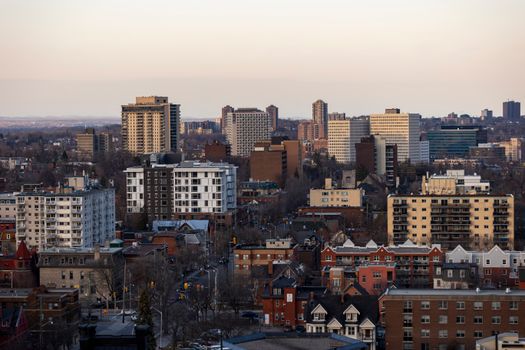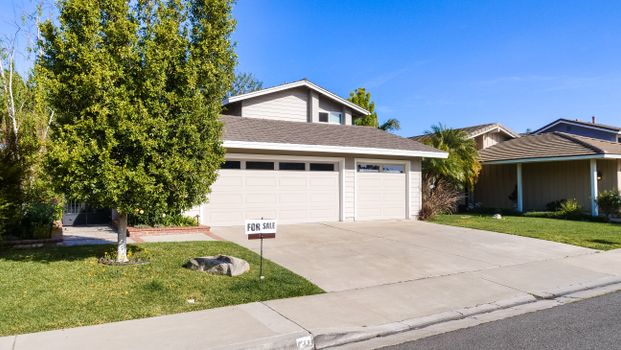
Ottawa's older housing stock, particularly in neighbourhoods like Glebe, Hintonburg, and Old Ottawa East, makes a thorough home inspection not just advisable but essential. A quality inspection can reveal issues that change the purchase price, trigger negotiations, or in some cases, save you from a costly mistake entirely.
What a Standard Home Inspection Covers
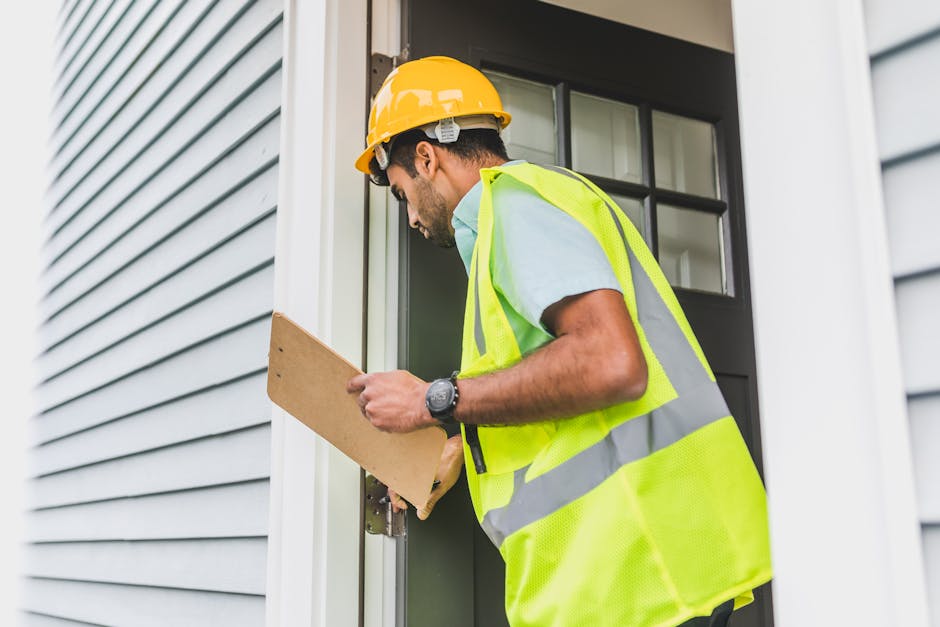
A certified home inspector in Ottawa will assess the foundation and structure, roof and attic, electrical systems, plumbing, heating and cooling systems (crucial in Ottawa's climate), insulation and ventilation, windows and doors, and the visible interior and exterior envelope. A standard inspection report runs 40 to 80 pages and takes two to four hours on-site.
Ottawa-Specific Concerns to Raise
Ottawa's climate creates specific vulnerabilities. Freeze-thaw cycles wreak havoc on foundations, driveways, and window seals. Ask your inspector specifically about: ice damming on the roof (common in Ottawa's variable winters), radon gas (Ottawa has elevated background radon in some areas. Health Canada recommends testing), basement moisture and efflorescence, knob-and-tube wiring in pre-1950 homes, and oil tank decommissioning in homes built before 1970.
In the Leda clay zones of Ottawa's west end and Barrhaven, ask about foundation settlement. Leda clay (also called quick clay) is present in some areas and can cause long-term subsidence issues.
How to Choose an Inspector
Ontario does not license home inspectors, which means quality varies enormously. Look for inspectors certified by the Ontario Association of Home Inspectors (OAHI) or those holding the RHI (Registered Home Inspector) designation. Ask about their errors and omissions insurance, and request a sample report before booking.
Avoid inspectors who are referred exclusively by your buyer's agent, a good agent will give you two or three names and encourage you to find your own. The inspection is your protection, not your agent's.
Should You Attend the Inspection?
Yes, always. Walk through the property with the inspector. Point out anything that caught your eye. Ask questions. A good inspector will teach you about the home as they examine it, not just hand you a written report afterward. Two to four hours spent learning about your potential property is invaluable.
What Happens After
A home inspection isn't a pass/fail event, every home has deficiencies. The question is whether those deficiencies are routine maintenance items or material problems that affect safety or value. Common Ottawa findings include aging furnaces (budget $5,000–$8,000 to replace), flat roofs needing resurfacing ($4,000–$12,000), and outdated electrical panels.
Armed with the report, you can renegotiate the price, request repairs, or in serious cases, walk away with your deposit intact if your offer included an inspection condition, which in Ottawa's calmer 2026 market, most offers do include.
Cost
Expect to pay $450 to $650 for a standard single-family home inspection in Ottawa. Add $150 to $250 for sewer scope, $100 to $200 for radon testing, and $100 to $150 for thermal imaging. These add-ons are frequently worth the cost.