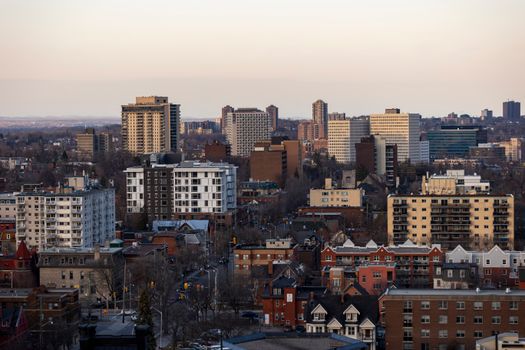
Ottawa's Housing Affordability Crisis Is a Young Family Problem
Ottawa is at a crossroads when it comes to housing affordability, and the families paying the steepest price are the ones just starting out. Young couples, first-time buyers, and growing households are increasingly priced out of a market that hasn't kept pace with their needs or their wages.
A new analysis from iPolitics argues that unlocking affordability in Ottawa won't come from timid half-measures. It will require governments, federal, provincial, and municipal, to accept greater financial risk in order to build the kind of housing stock that young families actually need.
Why Young Families Are Being Left Behind
The math is brutal for a 30-something couple in Ottawa hoping to buy their first home. Average home prices in the city remain well above what a median household income can comfortably support, especially when factoring in today's mortgage rates. Saving for a down payment while paying rent that has also surged in recent years has become a near-impossible tightrope walk.
The problem isn't just prices. It's supply. Ottawa simply hasn't built enough of the right kind of homes: mid-sized units with two or three bedrooms in walkable, transit-connected neighbourhoods where families want to live. The gap between what's being built and what's needed continues to widen.
The Case for Taking More Risk
The iPolitics analysis makes a pointed argument: affordable housing doesn't happen on its own, and the private market alone won't solve it. To get more units built for young families, governments need to step up with tools like low-interest public financing, land contributions, and guarantees that make otherwise risky projects viable for builders.
This isn't a radical idea. It's a return to policies that once produced tens of thousands of affordable units across Canada. Co-operative housing, non-profit developments, and public land trusts are all models that have worked before and could work again in Ottawa with the right political will and financial backing.
The risk of inaction, the analysis suggests, is even greater: a generation of young Ottawans locked out of homeownership, forced into long commutes from distant suburbs, or simply leaving the city for somewhere more affordable.
What Ottawa Could Do Differently
Local advocates and urban planners have long pushed for Ottawa to be more aggressive on housing. That means faster rezoning along major corridors like Bank Street and Carling Avenue, streamlined permitting for infill and mid-rise projects, and stronger partnerships between the City of Ottawa, the federal housing agency (CMHC), and non-profit builders.
There are signs the conversation is shifting. Ottawa City Council has taken some steps on densification, and the federal government's housing accelerator fund has pushed municipalities to move faster. But experts say the pace still isn't matching the urgency felt by families on the ground.
The Bottom Line
Ottawa's housing affordability problem is real, persistent, and getting harder to ignore. Young families deserve more than promises. They need concrete action backed by financial commitment. If that means governments accepting some risk to make it happen, that's a trade-off worth making.
Source: iPolitics via Google News Ottawa Real Estate RSS feed