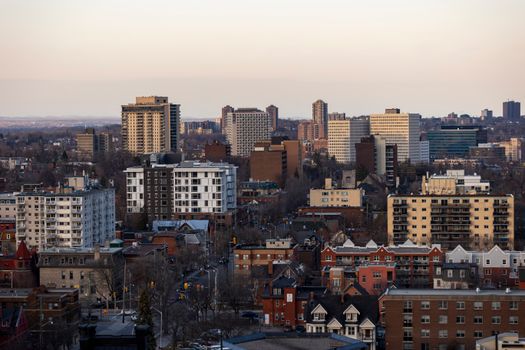
Ottawa's Housing Market Enters a New Chapter This Fall
Ottawa's real estate landscape is heading into fall 2025 with a mix of cautious optimism and lingering uncertainty, as broader Canadian housing trends ripple through the capital's neighbourhoods.
According to the latest national outlook from weknowottawa.com, the Canadian housing market is showing signs of stabilization after a turbulent few years marked by rapid rate hikes, cooling demand, and a sharp correction in prices across many major cities. For Ottawa specifically, the forecast suggests a market that's finding its footing, but with some important caveats for buyers and sellers alike.
What the Numbers Are Saying
Nationally, housing activity has been picking up since the Bank of Canada began easing interest rates earlier this year. Lower borrowing costs are gradually bringing sidelined buyers back into the market, and Ottawa is no exception. Listings in the capital region have ticked upward, giving buyers more choice than they've had in years.
However, prices in Ottawa remain relatively stable compared to the wild swings seen in Toronto and Vancouver. The average home price in the Ottawa-Gatineau region has held steady, hovering around the mid-$600,000 range, a figure that reflects the city's reputation as a more affordable alternative to Canada's priciest markets.
Ottawa's Unique Position
One of the key factors shielding Ottawa from the sharpest market fluctuations is the city's economic backbone. With the federal government as the region's largest employer, Ottawa enjoys a level of job stability that many other Canadian cities simply don't have. That steady employment base keeps demand relatively consistent, even when national sentiment turns bearish.
The tech sector, anchored in Kanata and increasingly spreading into downtown coworking spaces, also continues to attract young professionals looking to put down roots. Neighbourhoods like Westboro, Hintonburg, and Barrhaven remain popular with first-time buyers seeking a blend of urban amenities and suburban space.
Challenges on the Horizon
That said, affordability remains a real concern for many Ottawa residents. While the city may look like a bargain compared to Toronto, housing costs have still climbed significantly over the past five years. Young families and newcomers to the city often find themselves priced out of established neighbourhoods and pushed further into suburban or rural communities like Stittsville, Manotick, and Orléans.
Rental markets in Ottawa are also feeling the squeeze. Vacancy rates remain tight, and average rents have climbed, putting additional pressure on residents who aren't yet ready, or able, to buy.
What to Watch This Fall
Real estate watchers in Ottawa should keep an eye on a few key indicators heading into the fall season. Further rate cuts from the Bank of Canada could accelerate buyer activity, potentially sparking bidding wars in desirable pockets of the city. Meanwhile, new housing construction, particularly along the LRT corridor, could add much-needed supply to the market.
For sellers, the window of opportunity may be narrowing as inventory grows. Pricing competitively and staging effectively will be more important than ever in a market where buyers are no longer desperate.
The bottom line? Ottawa's housing market is healthier and more balanced than it's been in years, but it's a far cry from the frenzy of 2021 and 2022. Whether you're buying, selling, or simply watching from the sidelines, this fall promises to be one of the most interesting seasons in recent memory for Ottawa real estate.
Source: weknowottawa.com