Ottawa's housing scene is getting a new look, and it's not just about curb appeal.
Across the city, from Barrhaven to Beechwood, homeowners, builders, and buyers are responding to a changing real estate environment that's reshaping everything from how homes are designed to how they're priced and sold. Whether you're looking to buy your first place, sell a family home, or simply update your current space, 2026 is shaping up to be a year of real transformation.
Design Trends Taking Over Ottawa Homes
If you've been browsing listings lately, you've probably noticed a shift. The era of the beige open-concept box is giving way to something more intentional. Buyers are asking for dedicated home offices, better insulation, and energy-efficient fixtures, not just granite countertops and stainless steel appliances.
Local designers and contractors say Ottawa clients are increasingly drawn to warmer palettes, natural materials like wood and stone, and layouts that support multi-generational living. With housing costs still a top concern, many families are retrofitting older homes rather than trading up, turning basements into in-law suites or converting garages into workspaces.
The Market Shift
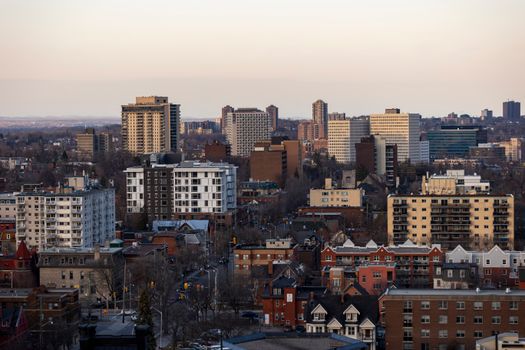
After several years of pandemic-era volatility, Ottawa's real estate market has settled into a more measured rhythm. Inventory has improved in many neighbourhoods, giving buyers slightly more breathing room than they had at the height of the frenzy. That said, demand in walkable, transit-connected areas, think Centretown, Westboro, and the Glebe, remains strong.
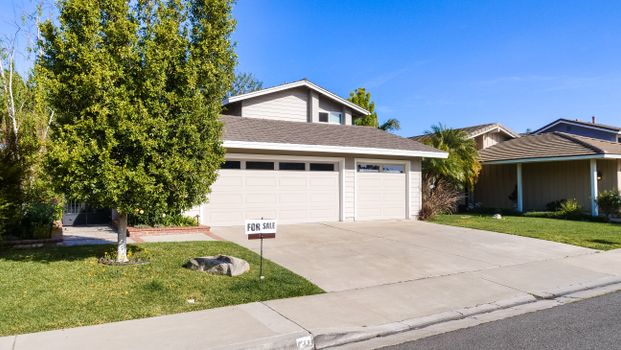
First-time buyers are still feeling the squeeze, but new federal programs and the recent Bank of Canada rate adjustments have made mortgage math a little more manageable for some. Real estate agents across Ottawa report increased activity from buyers who had been sitting on the sidelines, waiting for the right moment.
Renovation Culture Is Booming
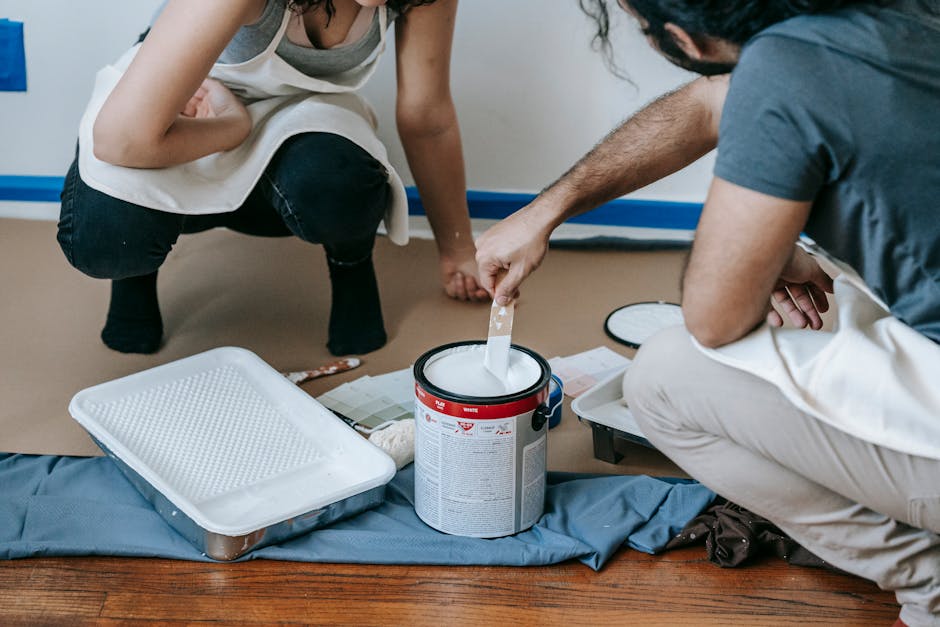
Not everyone is moving, many Ottawans are staying put and investing in their existing homes instead. Local renovation contractors are booked out for months as homeowners prioritize kitchens, bathrooms, and backyard living spaces. The pandemic-era habit of nesting hasn't entirely faded; if anything, it's matured into a longer-term commitment to making home a place worth staying.
Eco-conscious upgrades are also on the rise. Heat pumps, solar panels, and better window glazing are no longer niche choices. They're increasingly standard asks, especially among younger buyers and environmentally minded homeowners responding to both rising utility bills and climate awareness.
What This Means for Ottawa Neighbourhoods
The ripple effects of all this activity are visible across the city. Older neighbourhoods like Hintonburg and Vanier continue their slow but steady transformation, with character homes getting thoughtful updates rather than wholesale teardowns. In newer suburbs, builders are responding to buyer feedback with more flexible floor plans and greener builds.
For Ottawa, a city that has always balanced its federal-government stability with a quietly ambitious local identity, these housing shifts feel like part of a broader story: one about a city growing into itself, one renovation, one sale, one fresh coat of paint at a time.
Whether you're in the market or just watching from the sidelines, Ottawa's housing story in 2026 is worth paying attention to.
Source: Ottawa Citizen