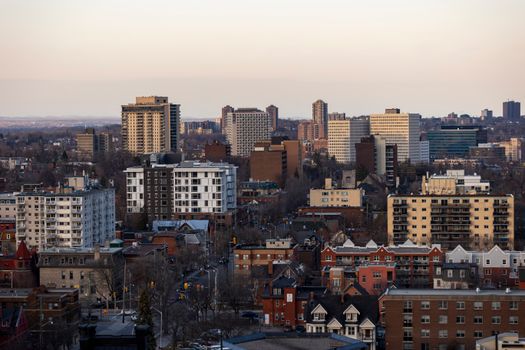
Ottawa's housing market may be on the cusp of a design revolution, one where bold, iconic architecture stops being a Toronto or Vancouver luxury and starts becoming a capital-city expectation.
That's the takeaway from a new analysis by Real Estate News Exchange (RENX), which argues that conditions in Ottawa are ripe for so-called 'Starchitectural' development, residential and mixed-use projects designed by internationally renowned architects whose buildings become landmarks in their own right.
What Is Starchitecture?
The term blends 'star architect' with 'architecture,' and it refers to signature buildings designed by globally recognized names, think Frank Gehry's swooping titanium curves or Zaha Hadid's futuristic forms. In the housing context, it typically means high-end condos or mixed-use towers that double as city-defining landmarks, drawing attention and investment far beyond the units themselves.
For years, this kind of prestige development has been concentrated in Canada's biggest metros. Toronto's the Residences at the Ritz-Carlton and Vancouver's Faena-adjacent towers drew headlines and premium prices on the strength of their architectural pedigree. Ottawa, with its federal building codes, heritage overlays, and more conservative development culture, has largely sat on the sidelines.
Why Ottawa, Why Now?
Several forces are converging to change that calculus. Ottawa's downtown core is undergoing a significant densification push, with the city's Official Plan encouraging taller, more ambitious builds near LRT stations. The Zibi development on the Ottawa-Gatineau border has already shown that mixed-use, design-forward projects can succeed in this market. And as remote work redistributes high-earning professionals away from Toronto, Ottawa is absorbing more buyers who expect the kind of design quality they left behind.
There's also a cultural shift at play. Ottawa has spent the past decade investing heavily in its public spaces, the revamped Rideau Street, the expanded NAC, the reimagined LeBreton Flats master plan: and that civic pride is starting to translate into higher design expectations for private development too.
What It Could Mean for Buyers and the City
Starchitectural projects typically command significant price premiums, but they also tend to hold value well and anchor broader neighbourhood revitalization. For Ottawa neighbourhoods like Hintonburg, Little Italy, or the Glebe's eastern edges, all of which are seeing renewed developer interest, a single landmark building can shift the entire area's trajectory.
The flip side, critics note, is that prestige architecture can accelerate gentrification and squeeze out the affordability that makes Ottawa more livable than its larger counterparts. The challenge for planners and developers alike will be channeling design ambition in ways that add to the city's character without pricing out its existing communities.
Ottawa's Moment
If RENX's read is right, Ottawa may be entering the same design-conscious phase that reshaped Toronto's condo market in the 2000s, with all the opportunity and tension that brings. Whether the city can attract genuine architectural talent while managing the pressures of a fast-moving housing market will be one of the more interesting stories to watch in the years ahead.
For now, the signal is clear: Ottawa is no longer just a safe, sensible place to park capital. It's becoming a city where design itself is part of the pitch.
Source: Real Estate News Exchange (RENX)