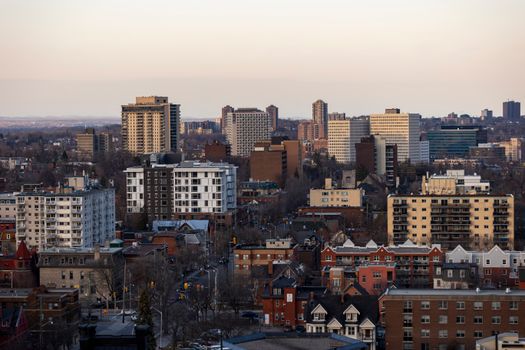
Ottawa's housing market is facing a deepening supply crunch in 2026, as new home construction falls short of what the city needs to keep pace with a growing population and persistent demand.
Fewer Homes Being Built
Housing starts across the Ottawa region have declined compared to recent years, with builders pulling back amid higher financing costs, elevated land prices, and ongoing labour shortages in the construction sector. Single-detached homes have seen some of the steepest drops, while condominium and purpose-built rental projects have fared only marginally better. The result is a pipeline of new homes that simply isn't keeping up with how many people want to live here.
Developers cite a combination of factors: permit processing delays at the City of Ottawa, servicing costs that have risen sharply, and interest rates that make new projects harder to finance. Many projects that were on the drawing board two or three years ago have been shelved or postponed indefinitely.
What It Means for Ottawa Buyers
For anyone hoping to buy a home in Ottawa in 2026, the math is challenging. With fewer new units coming to market, competition for existing resale homes has intensified, particularly in established neighbourhoods like Westboro, Hintonburg, Barrhaven, and Orleans. First-time buyers are feeling the pressure most acutely, as entry-level inventory remains scarce and prices have climbed steadily.
Move-up buyers, families looking to trade a condo or townhome for a detached house, are also finding the ladder harder to climb. The middle of the market, always the most active segment, is squeezed from both ends.
The Rental Side Is Just as Tight
The supply shortfall isn't limited to ownership housing. Purpose-built rental construction in Ottawa has also lagged behind demand, keeping vacancy rates low and pushing average rents higher. For renters hoping to save for a down payment, the situation is a double bind: rents are up, and the homes they're saving toward cost more than ever.
Some relief has come from secondary suites and laneway homes, encouraged by recent zoning changes across Ottawa's urban core, but the volume of these units remains modest compared to the overall need.
What Could Change
City officials and housing advocates are pointing to several potential levers: faster approvals, reduced development charges for affordable and rental projects, and continued upzoning along transit corridors like the LRT lines. The federal government's housing accelerator commitments have brought some funding to Ottawa, though the full effect on actual construction timelines remains to be seen.
In the near term, buyers and investors in Ottawa should expect the supply crunch to persist through most of 2026. Those with flexibility on location may find better value in suburban communities like Kanata, Stittsville, and Barrhaven, where some new development is still active.
For sellers, the constrained supply environment remains broadly favourable, well-priced homes in desirable Ottawa neighbourhoods continue to attract strong interest, often with multiple offers.
Source: Ottawa real estate market data 2026