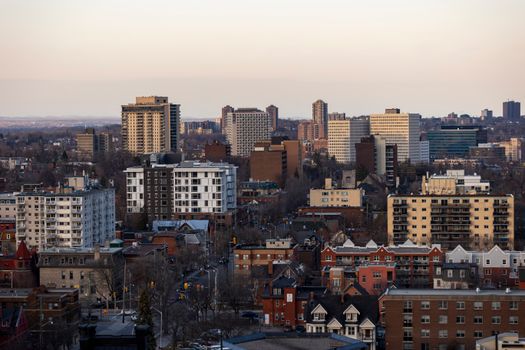
Ottawa is building fewer new homes this year, with housing starts down 10% in 2026 compared to the prior period, a slowdown that could ripple through a market already stretched thin on supply.
Housing starts measure how many new residential units break ground, and they're one of the clearest signals of where the market is headed. When starts fall, it usually means fewer homes will hit the market in the months and years ahead, a worrying trend in a city where demand has consistently outpaced new construction.
What the numbers mean for Ottawa
For a growing capital like Ottawa, a 10% drop is more than a statistical blip. Fewer starts today translate into tighter inventory tomorrow, and tighter inventory tends to keep both prices and rents elevated. Ottawa has spent the past several years trying to close the gap between how many people want to live here and how many homes are actually available, and a pullback in construction works against that goal.
The slowdown also matters for the local economy. Residential construction supports thousands of jobs across the region, from trades and developers to suppliers and planners, so a softer building year can be felt well beyond the housing market itself.
Why building may be slowing
While the headline figure points to a clear decline, the reasons behind a drop in housing starts are typically a mix of factors. Higher borrowing costs, elevated construction expenses, and caution among developers about future demand can all push builders to delay or scale back projects. When the math on a new development gets tougher, shovels stay in the ground longer.
For prospective buyers and renters in Ottawa, the practical takeaway is that relief on the supply side may take longer to arrive. A market that adds fewer units is a market where competition for existing homes stays fierce.
What to watch next
The key question for Ottawa is whether this is a temporary dip or the start of a longer cooling trend in construction. Housing starts can bounce around month to month, so a single year's decline doesn't necessarily set the tone for the future. But given how central housing supply is to affordability in the capital, residents, policymakers, and the building industry alike will be watching closely to see whether construction picks back up.
For now, the message is clear: Ottawa needs more homes, and in 2026, it's building fewer of them.
Source: CTV News, via Google News Ottawa.