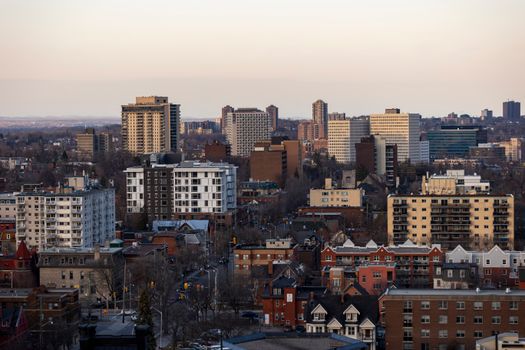
Ottawa's housing market got a welcome boost in 2025, with new housing starts climbing 22% compared to the previous year, a significant uptick that could have real implications for buyers, renters, and anyone watching the city's affordability picture.
What Are Housing Starts, and Why Do They Matter?
Housing starts measure the number of new residential construction projects that broke ground during a given period. They're one of the clearest indicators of where supply is headed, and in a city like Ottawa, where the gap between housing demand and availability has kept prices stubbornly high, more shovels in the ground is generally welcome news.
A 22% year-over-year increase is a notable jump. It suggests developers are responding, at least in part, to Ottawa's persistent demand for housing, driven by population growth, federal government employment, and the city's expanding tech sector.
What's Driving the Surge?
Several factors likely contributed to the spike in construction activity. Federal and provincial housing incentives aimed at boosting supply have been ramping up across Canada, and Ottawa has been a focus area given its role as the national capital with a large, stable workforce.
Lower interest rates in the latter half of 2024 and into 2025 also helped unlock financing for developers who had been sitting on projects during the high-rate environment. With borrowing costs easing, the economics of new construction started to make more sense again.
The City of Ottawa has also been working to streamline approvals and encourage infill development, particularly in established neighbourhoods and along transit corridors, a priority tied to the city's broader Official Plan goals.
What It Means for Ottawa Residents
For prospective buyers and renters in Ottawa, more housing starts is a step in the right direction, though relief won't be immediate. Construction timelines mean most of these new units won't hit the market for another one to three years, depending on the type of development.
Still, the trend is encouraging for a city that has seen benchmark home prices rise sharply over the past decade. Greater supply puts downward pressure on prices over time, and helps ease competition in a market where bidding wars became almost routine during the pandemic years.
For renters, new purpose-built rental projects included in the starts data could translate to more options and stabilized rents in some neighbourhoods, particularly in areas like Kanata, Barrhaven, and along the LRT line where density is increasing.
The Bigger Picture
Ottawa's 22% gain is part of a broader national story. Canadian cities have been racing to boost housing supply amid a well-documented shortage, and federal programs like the Housing Accelerator Fund have been nudging municipalities to cut red tape and fast-track approvals.
Whether this momentum holds will depend on continued policy support, stable financing conditions, and the city's ability to provide the infrastructure, roads, transit, water, schools, needed to support denser development.
For now, the numbers offer a reason for cautious optimism in Ottawa's housing market.
Source: CTV News Ottawa. This article is based on reporting from CTV News.