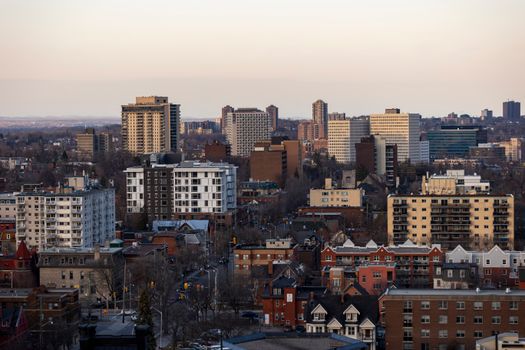
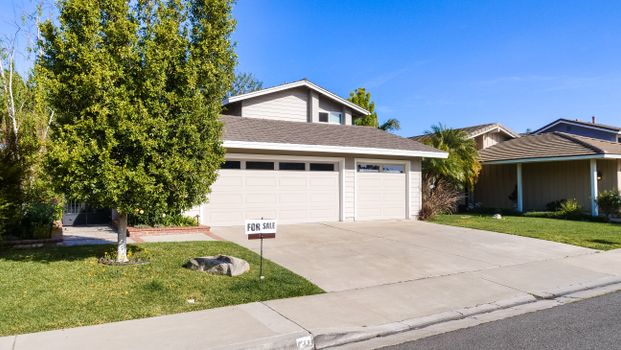
Ottawa's construction sector had a banner year in 2025, with housing starts climbing 38% compared to the previous year, a significant milestone for a city that has been grappling with a persistent housing shortage for years.
A Building Boom Takes Shape
The numbers, reported by CTV News, reflect a sharp acceleration in new residential construction across the Ottawa region. Whether it's low-rise subdivisions pushing into the suburbs or mid-rise condos rising in established neighbourhoods, cranes and concrete mixers have become a familiar sight across the capital.
This kind of growth doesn't happen in a vacuum. A combination of factors likely contributed: easing interest rate pressure after years of Bank of Canada hikes, federal and provincial incentives tied to housing affordability targets, and pent-up demand from a city that has seen its population grow steadily while supply lagged behind.
What This Means for Ottawa Residents
For Ottawans watching the housing market, a 38% jump in starts is genuinely encouraging news, even if the benefits take time to trickle down to renters and first-time buyers.
More housing supply, in theory, puts downward pressure on prices and rents over time. The city has been under the gun to build more units faster, with Ottawa having committed to ambitious housing targets as part of provincial and federal affordability frameworks. A surge in starts suggests those targets may actually be within reach.
That said, starts are just the beginning. Completions lag starts by anywhere from one to three years depending on the project type, meaning many of these new homes won't hit the market until 2026 or 2027. For renters hoping for relief soon, patience is still required.
Where Is the Growth Happening?
While the CTV report doesn't break down the data by neighbourhood, Ottawa's growth has historically been concentrated in areas like Barrhaven, Kanata, Orleans, and Stittsville for single-family homes, while denser projects continue to emerge along the LRT corridor and in areas like Centretown, Hintonburg, and Vanier.
The push for transit-oriented development, building density around rapid transit stops, is a key part of Ottawa's official plan, and 2025's numbers suggest developers are responding.
The Bigger Picture
Ottawa isn't alone in seeing a construction uptick. Across Canada, housing starts rose in many major cities as governments at all levels ramped up incentives to close the supply gap. But a 38% year-over-year increase puts Ottawa among the stronger performers nationally.
For a city that has spent years watching affordability erode, this is a welcome data point: even if the road to truly affordable housing remains long.
Keep an eye on how completions track in 2026. That's when Ottawans will really start to feel the impact of today's building boom.
Source: CTV News Ottawa