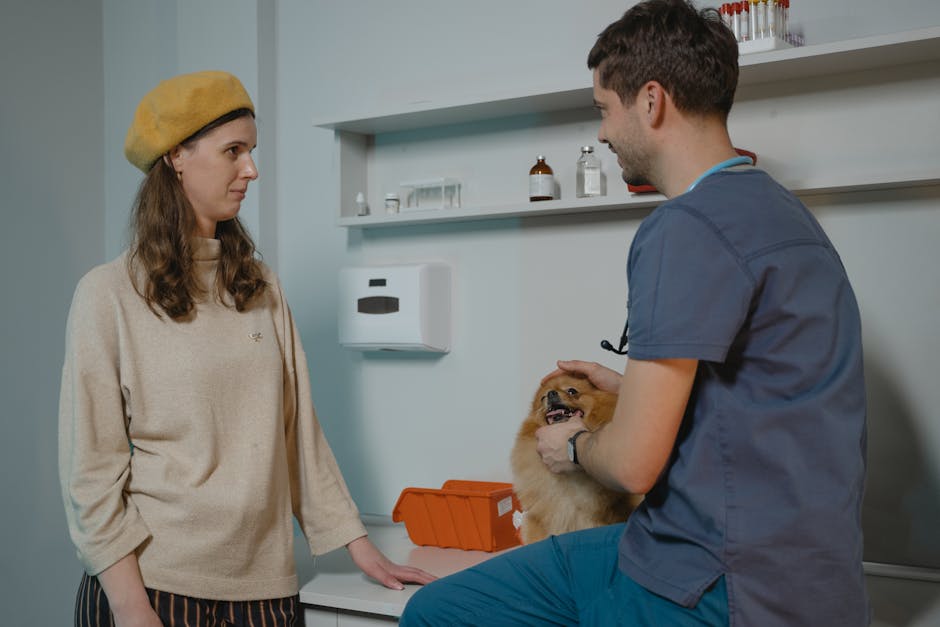
Ottawa's Humane Society is taking a bold step to keep pets with the families who love them, by making veterinary care affordable for low-income residents who might otherwise have no choice but to surrender their animals to a shelter.
For many pet owners in Ottawa, the decision to give up a beloved dog or cat isn't made lightly. It's made at a breaking point: when a vet bill arrives that simply can't be paid. That's the gap the Ottawa Humane Society (OHS) is working to close with its low-cost veterinary clinic, designed specifically to serve residents who fall through the cracks of traditional pet care.
The Surrender Problem
Shelters across Canada regularly receive owner surrenders, pets handed in not because they're unwanted, but because their owners can't afford medical treatment, vaccinations, or even spaying and neutering. It's a painful reality that inflates shelter populations and puts animals at risk, all while leaving grieving families without a pet they loved.
Veterinarians working in this space say preventive care is the key. A $50 vaccination today can prevent a $2,000 emergency tomorrow. For a family already stretched thin, that math is brutal, and without accessible options, the shelter becomes the only way out.
What the OHS Clinic Offers
The Ottawa Humane Society's low-cost clinic focuses on preventive and primary care: vaccinations, spay and neuter services, microchipping, and basic wellness visits. These are the bread-and-butter services that keep pets healthy and out of crisis, and that are often the first thing cut when budgets get tight.
The model isn't new globally, but it's a meaningful expansion of what's available in Ottawa. By offering sliding-scale or reduced-rate services, the OHS is positioning itself not just as a last resort for animals in need, but as a proactive partner for the humans who care for them.
Why This Matters for Ottawa
Ottawa is a city with significant income disparity. From Vanier to Overbrook to parts of the west end, thousands of residents live on fixed incomes, minimum wage jobs, or social assistance, and many of them have pets that are central to their mental health and daily lives. For seniors living alone, for kids in struggling families, for people managing mental illness or trauma, a pet isn't a luxury. It's a lifeline.
Keeping those animals in their homes, rather than cycling them through the shelter system, is better for everyone. It reduces shelter overcrowding, saves rehoming costs, and preserves the bond between owner and animal.
What Vets Are Saying
Veterinarians working in community health contexts are supportive of the initiative, noting that low-cost clinics reduce the number of animals presenting in emergency situations, which are far more costly and traumatic for both pet and owner. Preventive care normalizes vet visits and catches problems early, when they're still manageable.
The hope is that as more Ottawa residents learn about the clinic, the number of financial-hardship surrenders will drop, and more pets will stay exactly where they belong.
Source: Ottawa Citizen. Visit the Ottawa Humane Society at ottawahumane.ca for clinic details and eligibility information.

