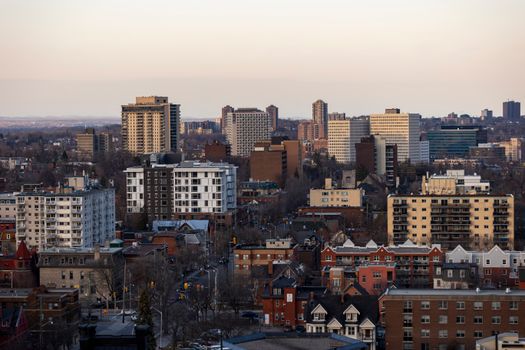
Ottawa's Hunt Club neighbourhood has quietly become one of the city's most practical choices for families priced out of trendier markets, and in 2026, that appeal is only growing.
Stretching across the south end between the Rideau River and Hunt Club Road, this established community offers something increasingly rare in Ottawa: detached homes with yards at prices that remain more accessible than comparable properties in Barrhaven or Kanata.
Why Families Are Choosing Hunt Club
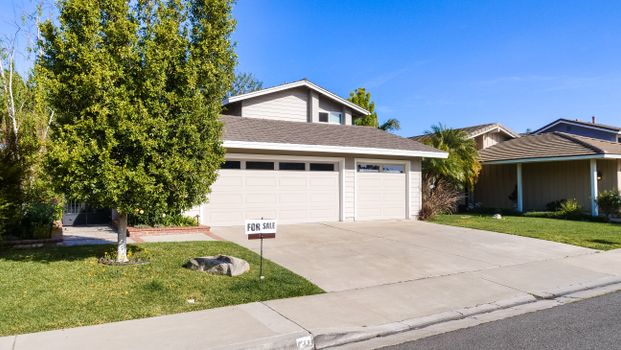
Hunt Club's housing stock skews heavily toward 1980s and 1990s brick bungalows and two-storey family homes, many sitting on generous lots. These aren't flashy properties, but they're solid, well-built, and offer the kind of space young families actually need, finished basements, double driveways, and mature backyards.
The neighbourhood has seen steady price appreciation as Ottawa's overall market has tightened, but it still tends to come in below the city average for a detached home. Buyers moving from Ottawa's west end or from out-of-province frequently cite Hunt Club as a place where they can actually afford to upsize.
Commuter Access Is a Real Selling Point
One of Hunt Club's most underrated advantages is its location. Residents can reach downtown Ottawa in under 20 minutes by car outside of peak hours, and the neighbourhood sits close to the Queensway (Highway 417), making east and west travel straightforward.
For those who travel for work, proximity to Ottawa Macdonald–Cartier International Airport is a genuine perk, the airport is roughly a five-minute drive from much of the community.
OC Transpo Route 96 provides frequent bus service along Hunt Club Road connecting to Blair Station and Tunney's Pasture, giving transit-dependent residents a reasonable option. The extension of Ottawa's LRT network has improved connectivity to nearby stations, and many residents use Park and Ride facilities along the O-Train corridor.
Schools and Green Space
Hunt Club is well served by both English and French public schools, and several Catholic school options are within the catchment area. The neighbourhood is adjacent to the Ottawa Airport Greenbelt and Vincent Massey Park, giving families access to cycling paths, sports fields, and river trails that connect into the broader NCC pathway network.
Hunt Club Park itself, the commercial and recreational hub, provides everyday conveniences including grocery stores, restaurants, and fitness facilities, reducing the need to drive far for daily errands.
What to Watch in 2026
Inventory in Hunt Club remains relatively tight. Well-maintained homes in move-in condition tend to attract multiple offers, particularly in the spring market. Buyers should be prepared to act quickly and, ideally, to have financing pre-approved before beginning serious searches.
Investors have also taken notice of the neighbourhood's rental potential, given its proximity to the airport employment corridor and healthcare facilities along Riverside Drive. This has created some competition from investors for properties that might otherwise stay in the owner-occupied market.
For families willing to do some updating, older properties in Hunt Club can represent strong value, the bones are typically good, and the location offsets the cosmetic work required.
The Bottom Line
In a city where affordability is a growing concern, Hunt Club remains one of Ottawa's more realistic entry points into the detached home market for families. Its combination of transit access, green space, school options, and airport proximity makes it a neighbourhood worth serious consideration for anyone buying in south Ottawa in 2026.
Source: Ottawa real estate market data 2026