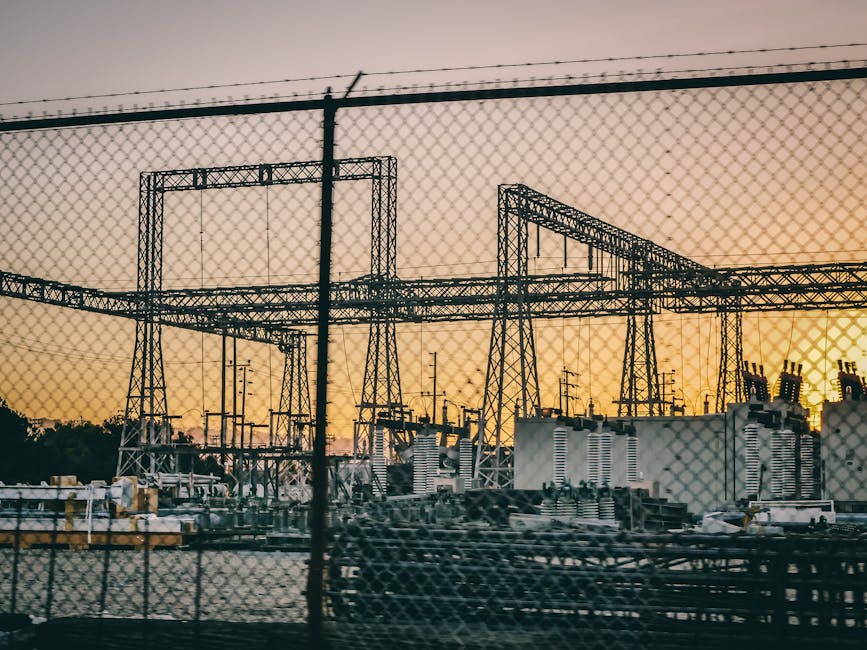
Ottawa's electricity distributor Hydro Ottawa is closing out 2025 on a high note, announcing record levels of capital investment while simultaneously launching its 2026–2030 Strategic Direction, a roadmap designed to keep the city's power infrastructure ahead of rapidly growing demand.
A Record Year for Infrastructure Spending
Hydro Ottawa's 2025 investment figures mark a new high-water mark for the utility, which serves roughly 370,000 customers across Ottawa and Casselman. The company channelled significant resources into grid upgrades, substation improvements, and reliability enhancements throughout the year, work that residents likely noticed in the form of faster outage restoration and fewer interruptions during last winter's ice storms.
While the full financial details of the 2025 capital program are detailed in the company's official release, the headline message is clear: Hydro Ottawa has been spending at a pace it hasn't seen before, and it's not planning to slow down.
What the 2026–2030 Strategic Direction Means for Ottawa
The newly launched strategic plan lays out Hydro Ottawa's priorities for the next five years against a backdrop of significant change. EV adoption is accelerating, new residential developments are expanding the city's footprint, and the federal government's electrification goals are reshaping how utilities plan for the future.
Key themes in the strategic direction include:
- Grid modernization: Upgrading aging infrastructure to handle two-way power flows as more Ottawa homes and businesses add solar panels and battery storage
- Electrification readiness: Expanding capacity to support the surge in EV charging, heat pumps, and electric appliances as residents decarbonize
- Reliability and resilience: Hardening the network against increasingly severe weather events, a lesson driven home by recent Ottawa ice storms and summer wind events
- Customer experience: Investing in digital tools and outage communication so residents stay informed when things do go wrong
Why This Matters for Ottawa Residents
Hydro Ottawa is a municipally-owned utility, which means its long-term health is directly tied to the city's ability to attract residents, businesses, and investment. An underpowered or unreliable grid would be a serious constraint on Ottawa's ambitions as a growing tech hub and federal capital.
The 2026–2030 plan also comes at a moment when Ontario's Independent Electricity System Operator (IESO) is projecting significant province-wide demand growth, driven by manufacturing reshoring, data centres, and electrification. Local distributors like Hydro Ottawa need to be ready to absorb that load, and the strategic direction signals the utility is taking that challenge seriously.
What's Next
Hydro Ottawa will be presenting its strategic direction to stakeholders and regulators over the coming months. Ratepayers can expect rate applications tied to the new capital plan to move through the Ontario Energy Board process in due course, so the investments outlined today will eventually show up in the rate-setting process.
For now, the record 2025 spending and the forward-looking 2026–2030 plan paint a picture of a utility that's actively investing in Ottawa's energy future rather than simply maintaining the status quo.
Source: Newswire Canada / Hydro Ottawa press release via Google News Ottawa

