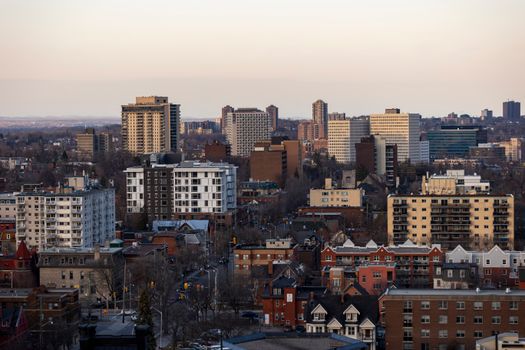
Ottawa's real estate market in 2026 cannot be fully understood without examining immigration's role as a structural demand driver. The capital city, long known as a stable but unremarkable housing market, has seen demand dynamics fundamentally altered by population growth fuelled by immigration at historically high levels.
Ottawa's Immigration Numbers
Ottawa-Gatineau received approximately 30,000–35,000 new permanent residents annually over the past three years, according to Immigration, Refugees and Citizenship Canada data. Ottawa's federal presence, the immigration department itself, the Public Service Commission, embassies, and international organizations, makes it a natural destination for newcomers seeking federal employment or proximity to government services.
Beyond government, Ottawa's growing tech sector has drawn significant numbers of economic-class immigrants under the Express Entry system. Engineers, data scientists, and software developers from India, China, the Philippines, and Nigeria have chosen Ottawa as their landing city, attracted by Kanata's tech corridor and quality of life advantages over Toronto.
Demand Effects on Ottawa's Market
New permanent residents require housing immediately upon arrival, typically entering the rental market first before transitioning to ownership within two to five years. This two-phase demand pattern is visible in Ottawa's rental vacancy rates, which fell to approximately 1.8% in 2025, near record lows, before modest new supply added some relief.
On the ownership side, immigrant households that have established themselves financially have been active purchasers in areas like Barrhaven (strong South Asian community anchor), Orleans (Francophone African communities), and Gloucester. Multigenerational living preferences among many immigrant households have driven demand for larger detached homes with secondary suites, a product increasingly rare at Ottawa's price points.
Neighbourhood Transformation
Some Ottawa neighbourhoods have been visibly transformed by immigration-driven demand. Barrhaven's commercial strip on Strandherd Drive has diversified with South Asian grocers, halal butchers, and Indian restaurants. Orleans' Innes Road corridor reflects its growing African Francophone community. These demographic shifts create cultural richness and, from a real estate perspective, sustained demand in neighbourhoods that might otherwise have experienced slower price growth.
Federal Policy Context
The federal government's immigration targets, originally set at 500,000 new permanent residents annually by 2025, have been revised downward under political pressure, with targets adjusted toward 380,000–400,000 annually through 2026-2027. The reduction matters for national housing demand projections but is unlikely to dramatically slow Ottawa's population growth given the city's specific advantages as a federal employment hub.
What This Means for Ottawa Buyers and Sellers
For sellers, immigration-driven demand provides a structural floor under Ottawa's market. Even during interest rate cycles that dampen existing-homeowner purchasing, new permanent residents entering the ownership market sustain transaction volume and compete actively for appropriately-priced properties.
For buyers, the implication is that Ottawa's demand side remains structurally stronger than supply-side new construction can accommodate. Until housing starts, both rental and ownership, catch up to population growth, competition for well-located properties will continue to support prices.
Ottawa's immigration story is not exceptional by Canadian standards, but it is underappreciated as a real estate demand driver in a city often described primarily through its public sector lens.