Ottawa's Infill Developers Step Up to Tackle the Housing Shortage
Ottawa's housing shortage isn't going to be solved by mega-towers alone, and a growing group of local infill developers are making sure the city knows it.
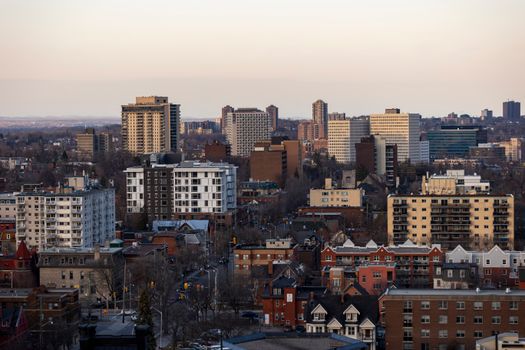
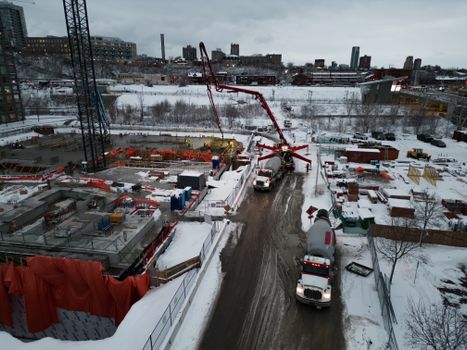
While cranes dot the skylines of Barrhaven, Kanata, and downtown Ottawa as multi-tower projects rise with hundreds of units each, urban infill is quietly becoming one of the more compelling tools in the city's housing toolkit. Think laneway homes, garden suites, duplexes, and small-scale multi-unit builds slotted into existing residential lots, the kind of gentle density that doesn't dramatically change a neighbourhood's character but does meaningfully increase its housing supply.
What Is Infill, Exactly?
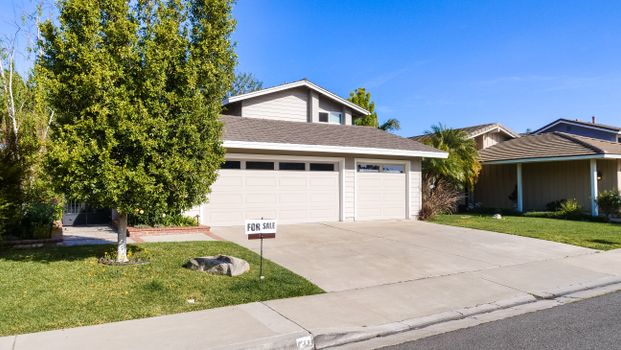
Infill development refers to building on underused or vacant lots within already-developed areas of the city. Rather than expanding Ottawa's urban boundary outward into greenfield land, infill grows the city from the inside out. A single-family home on an oversized lot might become a duplex. A surface parking lot could be transformed into four townhomes. A detached garage replaced by a laneway suite.
It's not a new concept, but it's gaining fresh momentum as Ottawa faces one of the tightest housing markets in its history. Rental vacancy rates remain stubbornly low, ownership prices have climbed well beyond what many first-time buyers can afford, and new purpose-built rentals are desperately needed across the income spectrum.
Why Infill Developers Say They're Part of the Answer
Local infill developers argue they can move faster and more nimbly than large-scale builders. Smaller projects don't require years of environmental assessment, massive financing arrangements, or the kind of political wrangling that often accompanies major developments. A well-designed triplex on a residential street in Hintonburg or Vanier can be approved, built, and occupied in a fraction of the time it takes to complete a 30-storey tower.
There's also a neighbourhood fit argument. Infill projects, when done well, blend into the existing urban fabric. They add homes without the traffic, shadow, and infrastructure strain associated with large-scale developments. For long-time residents wary of dramatic neighbourhood change, smaller infill can be an easier sell.
The Challenges Ahead
It's not all smooth sailing. Ottawa's zoning rules, while evolving, haven't always kept pace with the infill movement. Parking minimums, lot coverage limits, and height restrictions can make otherwise sensible projects difficult to pencil out financially. Infill builders also often deal with older infrastructure, aging water and sewer lines, narrow laneways. That adds cost and complexity.
City Hall has been working on reforms, including updates to the zoning bylaw and efforts to streamline approvals for gentle density. But developers in the infill space say there's still significant red tape to cut through before Ottawa fully unlocks this kind of housing supply.
A Complementary Solution
Nobody is suggesting infill replaces big apartment towers. Ottawa needs both. But local developers making the case for small-scale residential projects deserve a seat at the table as the city plots its path toward a more affordable, well-supplied housing market. Every additional unit counts, and infill is one of the smartest ways to add them.
Source: Ottawa Business Journal