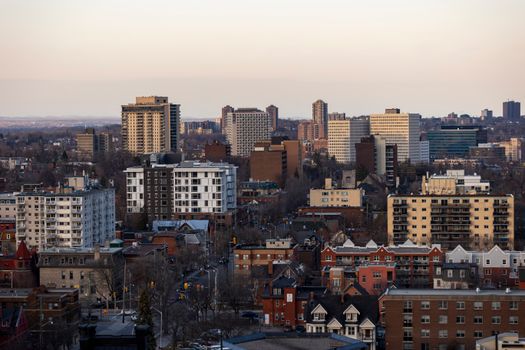
Ottawa's real estate market has been on a meaningful upswing since the Bank of Canada began cutting its overnight rate in mid-2024. By early 2026, the policy rate sits at 2.75%, down from the 5.0% peak that cooled the market through 2023 and into 2024. The effects on Ottawa's housing market are significant and multi-layered.
The Bank of Canada's Rate-Cutting Timeline
The Bank of Canada reduced rates at six consecutive decisions starting June 2024:
- June 2024: 5.0% → 4.75%
- July 2024: 4.75% → 4.50%
- September 2024: 4.50% → 4.25%
- October 2024: 4.25% → 3.75%
- December 2024: 3.75% → 3.25%
- January 2026: 3.25% → 2.75%
Each cut translated almost immediately into lower variable mortgage rates and, with a short lag, into lower fixed rates.
How Rate Cuts Translate to Ottawa Buying Power
For a household qualifying under the stress test, each 1% reduction in rates increases buying power by approximately 8%–10%.
The Ottawa effect:
- At 5.0% overnight rate (peak): $150,000 household income qualifies for approximately $650,000 mortgage
- At 2.75% overnight rate (current): Same income qualifies for approximately $750,000–$775,000 mortgage
That $100,000–$125,000 increase in buying power is significant in Ottawa's market. It's the difference between a Barrhaven townhome and a detached home, or between Centretown and Westboro.
Impact on Ottawa Home Prices
Ottawa prices have responded to rate relief:
- Average home price Q1 2025: $638,000
- Average home price Q1 2026: $672,000
- Year-over-year increase: +5.3%
This is a measured increase, not the 20%+ gains of 2021, but confirms that rate relief is supporting prices without triggering a new bubble.
Variable vs Fixed Rate Dynamics in 2026
With the Bank of Canada now cutting, variable rate mortgages have regained favour among Ottawa buyers. Current rates:
- 5-year fixed: 4.4%–4.9%
- 5-year variable: Prime - 0.75% to Prime - 1.0% (effective 4.0%–4.25%)
Variable rates are slightly better today, and if the Bank of Canada cuts further (markets are pricing 1–2 more cuts in 2026), variable payers benefit immediately.
The Investor Impact
Lower rates improve investment property cash flow. The same duplex that generated -$200/month at 5.0% mortgage rates now generates +$300–$400/month at 4.5% rates, converting marginal deals into positive cash flow. This is bringing investors back to Ottawa's market after two years of sideline sitting.
Risks to Watch
Rate cuts assume the Bank of Canada is done hiking. Inflation surprises (particularly from tariff impacts or energy price spikes) could force rate increases. Ottawa buyers taking on maximum buying power at today's rates should stress-test their budgets at 2% higher to ensure they can absorb future rate increases.
Ottawa's rate-cut environment in 2026 is a genuine tailwind for buyers and sellers alike, the best macro environment the capital has seen since 2021.