Ottawa's Federal Court has sided against the federal government in a fight over decades-old records detailing how Nazi war criminals came to settle in Canada, ordering that the documents finally be released.
The case centres on a CIA operation that helped bring former Nazis into the country after the Second World War, a chapter of Canadian history that has remained largely hidden from public view. Lawyers for Ottawa's government had pushed back against releasing the files, arguing that doing so could strain the relationship between Canada and the United States, given the CIA's role in the original operation.
What the ruling means
The judge's decision, handed down in a Federal Court proceeding based in Ottawa, rejected the government's national-security and diplomatic arguments as insufficient grounds to keep the records sealed. That clears the way for historians, journalists, and the public to finally see documents that shed light on how known or suspected war criminals were able to build new lives in Canadian communities, sometimes for decades, without facing accountability.
Court battles over historical disclosure like this one often drag on for years, and this ruling is no exception. It follows sustained pressure from researchers and advocacy groups who have long argued that Canadians deserve a full accounting of how their government, wittingly or not, became a haven for individuals tied to some of the worst atrocities of the 20th century.
Why it matters in Ottawa
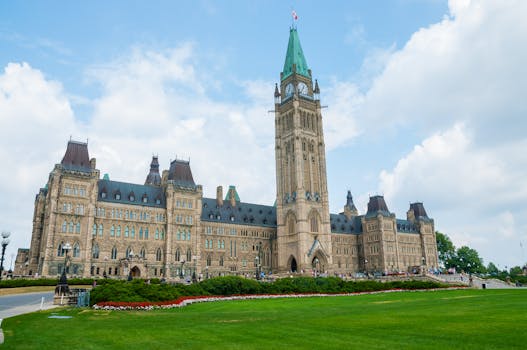
As the seat of the federal government and home to the Federal Court itself, Ottawa sits at the centre of this story both literally and symbolically. Decisions about what the public is allowed to know about the country's past, including uncomfortable truths about immigration and intelligence-sharing arrangements with allies like the United States, are made and tested in Ottawa's courtrooms and government offices. Local historians and archivists, including those connected to national institutions headquartered in the capital, are expected to be among the first to pore over the newly released material once it becomes available.
The ruling also lands at a moment when Ottawa has faced its own reckoning with Nazi history. The city drew national attention in 2023 after a man who had fought for a Nazi unit was mistakenly honoured in the House of Commons, a moment of embarrassment that reignited public interest in exactly how many such individuals ended up settling in Canada after the war, and how.
What comes next
The federal government has not yet indicated whether it will appeal the decision. If the records are released as ordered, they are expected to offer new detail on the CIA operation in question and on the extent to which Canadian officials at the time knew about, or looked past, the backgrounds of those they let in.
For now, the ruling stands as a win for transparency advocates who argue that historical accountability should not be sacrificed to preserve diplomatic comfort, decades after the fact.
Source: Ottawa Citizen