The Great Kitchen Debate Hits Close to Home
For Ottawa homeowners eyeing a kitchen renovation, one of the biggest layout decisions comes down to a deceptively simple question: island or peninsula? Both options add counter space and seating, but they work very differently depending on your kitchen's size, flow, and how your household actually lives.
With Ottawa's real estate market pushing more buyers toward older homes that need updating, and renovation culture alive and well in neighbourhoods like Westboro, Hintonburg, and the Glebe, getting this choice right matters more than ever.
What's the Difference, Anyway?
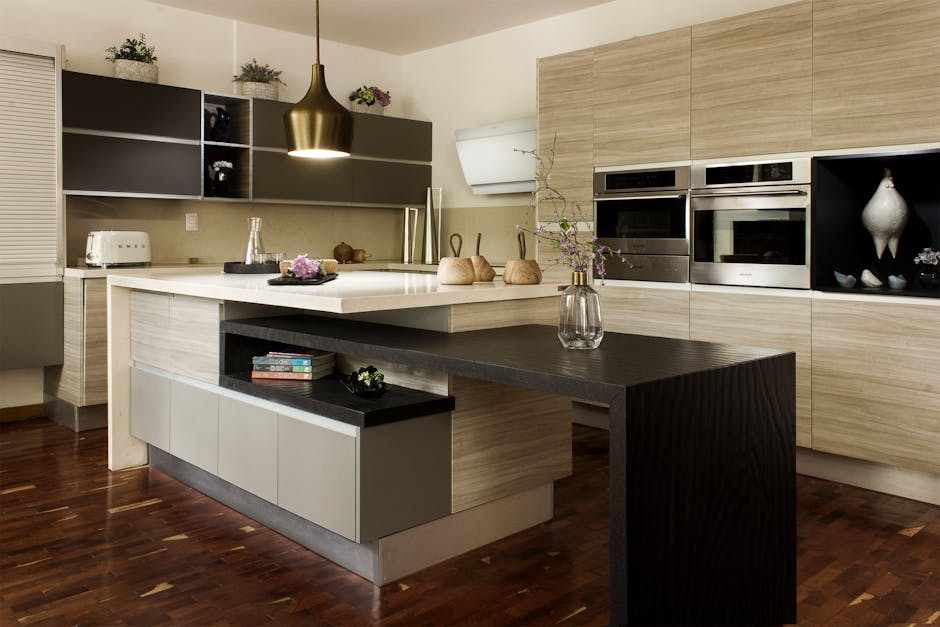
A kitchen island is a freestanding unit with open space on all four sides. A peninsula, on the other hand, is connected to a wall or existing cabinetry on one end, essentially creating an extension of your counter.
Islands feel open and social. Peninsulas feel structured and space-efficient. Neither is universally better. It all depends on your room.
When an Island Makes Sense
If your kitchen is large and open-concept, an island can be the centrepiece of the whole main floor. It encourages movement around it, works well for entertaining, and can house a prep sink, a cooktop, or a wine fridge underneath.
Design experts generally recommend at least 90–100 cm of clearance on all sides of an island for comfortable traffic flow. Without that, you end up with a bottleneck, especially in a busy household where everyone's in the kitchen at the same time.
Islands also work beautifully in newer Ottawa builds and open-concept condos where the kitchen flows into a living or dining space. They double as a visual anchor for the room.
When a Peninsula Is the Better Call
Peninsulas shine in smaller or galley-style kitchens where a freestanding island would block traffic entirely. Because one end attaches to a wall or cabinet run, you reclaim floor space while still gaining seating and prep area.
They're also great for households that want a casual eating nook. A peninsula with bar stools on the open side becomes a quick breakfast counter or homework station without needing a separate dining table.
In older Ottawa homes, think 1950s and 60s bungalows in Alta Vista or Carlington, the kitchen is often separated from the rest of the house. A peninsula can help open things up slightly while still respecting the original footprint.
Key Things to Think About
Traffic flow: How do people move through your kitchen? Map out the fridge-sink-stove triangle and make sure neither addition interrupts it.
Seating needs: Islands offer seating on multiple sides; peninsulas typically seat guests on one or two sides only.
Storage vs. openness: Peninsulas often provide more cabinet storage because of the wall connection. Islands can feel more airy but may sacrifice storage unless designed with deep drawers.
Budget: Islands typically cost more because they require plumbing or electrical work on all sides. Peninsulas can tie into existing runs more easily.
The Bottom Line
There's no wrong answer here, both options can transform a kitchen when planned well. The key is being honest about your space, your budget, and how your family actually uses the room.
If you're in the early stages of a renovation, consult a local Ottawa kitchen designer before committing. A few hours of planning now can save you from an expensive redo later.
Source: Ottawa Citizen