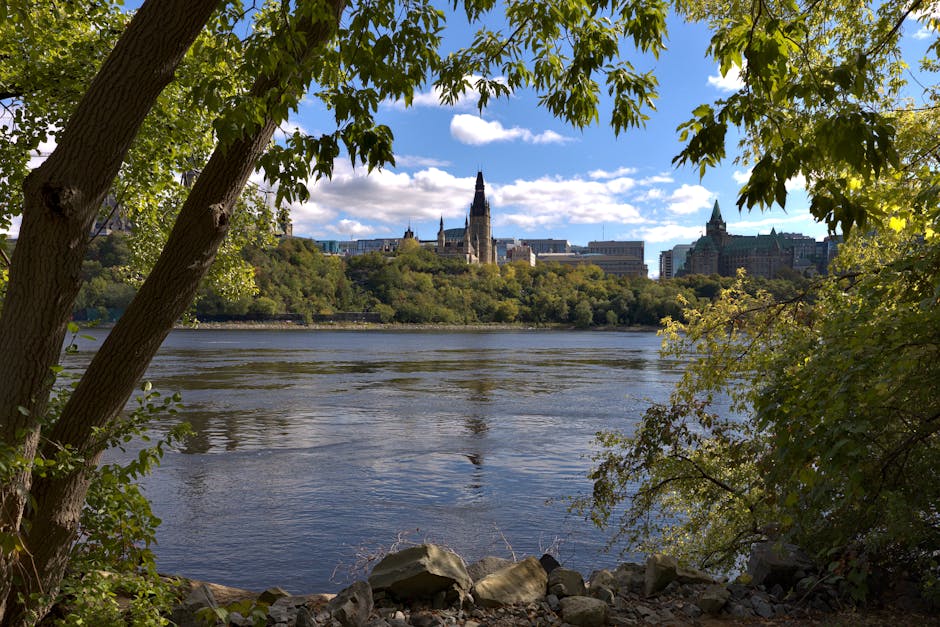
Ottawa is being looked to for environmental leadership once again, as Kingston city councillors formally call on both the federal and provincial governments to undertake a feasibility assessment for a protected marine area in Lake Ontario, a move that could reshape how Canada safeguards its most vital freshwater ecosystems.
What Kingston Is Asking For
Kingston's councillors are urging Ottawa and the province of Ontario to assess whether a marine protected area (MPA) could be established in Lake Ontario. Such designations, already used along Canada's ocean coastlines, would restrict certain activities in defined zones to protect aquatic ecosystems, fish habitats, and biodiversity.
Situated at the eastern tip of Lake Ontario where it meets the St. Lawrence River, Kingston is uniquely positioned to champion this cause. But the ecological impact of any protected zone would extend far beyond municipal borders: Lake Ontario, though the smallest of the Great Lakes by surface area, sits at the downstream end of the chain and absorbs pressure from all the lakes above it.
Why the Federal Government in Ottawa Holds the Key
For Ottawa residents, this might feel like someone else's story: but it isn't. Marine and freshwater protected areas fall under federal jurisdiction through Fisheries and Oceans Canada, meaning the government headquartered right here in Ottawa holds the authority to make this happen.
The Great Lakes region holds roughly 20 percent of the world's surface freshwater and supports millions of Canadians, including Ottawa-area residents who depend on the Ottawa River, a tributary that feeds into the St. Lawrence just downstream of Lake Ontario. What happens in Lake Ontario doesn't stay in Lake Ontario.
The Pressures Facing Lake Ontario
Lake Ontario faces serious and compounding threats: invasive species like sea lamprey and zebra mussels, agricultural runoff, urban stormwater discharge, and decades of industrial pollution. A formally designated marine protected zone could serve as a refuge for native fish species and a benchmark for ongoing water quality research.
Environmental groups have long argued that Canada's freshwater lakes deserve the same rigorous protections as its ocean coastlines. Successful protected zone models already exist in the American Great Lakes region, off Michigan and Wisconsin, offering Canada a ready playbook to follow.
What a Feasibility Assessment Would Do
A feasibility study is just the first step, but it's a critical one. It would examine the ecological value of candidate sites, assess impacts on commercial fishing and recreational users, and work through the jurisdictional questions shared between Ontario and the federal government in Ottawa.
If Ottawa responds positively to Kingston's call, a formal environmental assessment could follow, potentially leading to Lake Ontario becoming one of the first freshwater lakes in Canada with federally protected marine zones.
Kingston has made its case. Now the ball is in Ottawa's court.
Source: Global News Ottawa

