Ottawa is home to a newly unveiled monument dedicated to the LGBTQ+ Canadians who were targeted, surveilled, and pushed out of their jobs during the federal government's LGBT Purge, a decades-long campaign against queer public servants and members of the military. But even with the monument now standing, the full history of that era is still coming into focus, and not without a fight.
A Monument, But Not the Whole Story
According to reporting from the Ottawa Citizen, former MP Svend Robinson says he's been pushing for years to get the federal government to release documents that are key to telling the complete history of the Purge. Robinson, one of Canada's first openly gay members of Parliament, has long been a vocal advocate for LGBTQ+ rights in this country, and his continued involvement in this issue underscores how unfinished the reckoning still feels for many who lived through it.
The Purge saw countless RCMP officers, military members, and public servants investigated, interrogated, and often fired simply for being gay or suspected of being gay. It's a chapter of Canadian history that unfolded largely out of public view for decades, with many records remaining classified or difficult to access even today.
Why This Matters for Ottawa
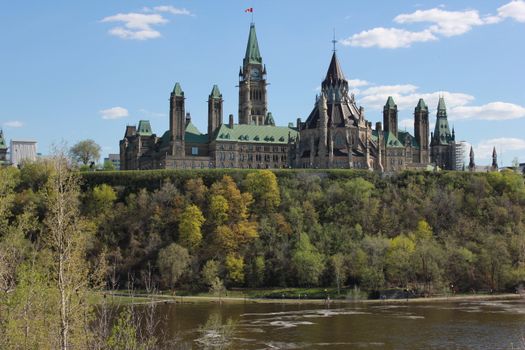
As the seat of the federal government, Ottawa was ground zero for much of the Purge. The public service, the military, and the RCMP, all major employers in this city, were the very institutions carrying out the surveillance and firings. That history is woven into Ottawa's civic identity in a way that's different from anywhere else in the country, which makes the placement of this monument here especially significant.
For Ottawa residents, especially those connected to the public service or with family members who lived through that era, the monument offers a visible, permanent acknowledgment of harm that was done. But Robinson's comments are a reminder that acknowledgment through a physical monument is only one part of reconciliation. Without full access to government records, historians, survivors, and advocacy groups say the complete picture of who was affected, and how systematically, remains incomplete.
An Ongoing Push for Transparency
Robinson's continued advocacy suggests this isn't a closed chapter. Getting sensitive federal documents declassified or released can be a slow, bureaucratic process, and it's unclear how long that fight will continue. For now, the monument stands as a marker of progress, even as the paperwork behind it stays locked away.
Ottawa residents who want to learn more about the LGBT Purge and its impact on the city's public service community can expect this story to keep developing as more information, hopefully, comes to light.
Source: Ottawa Citizen