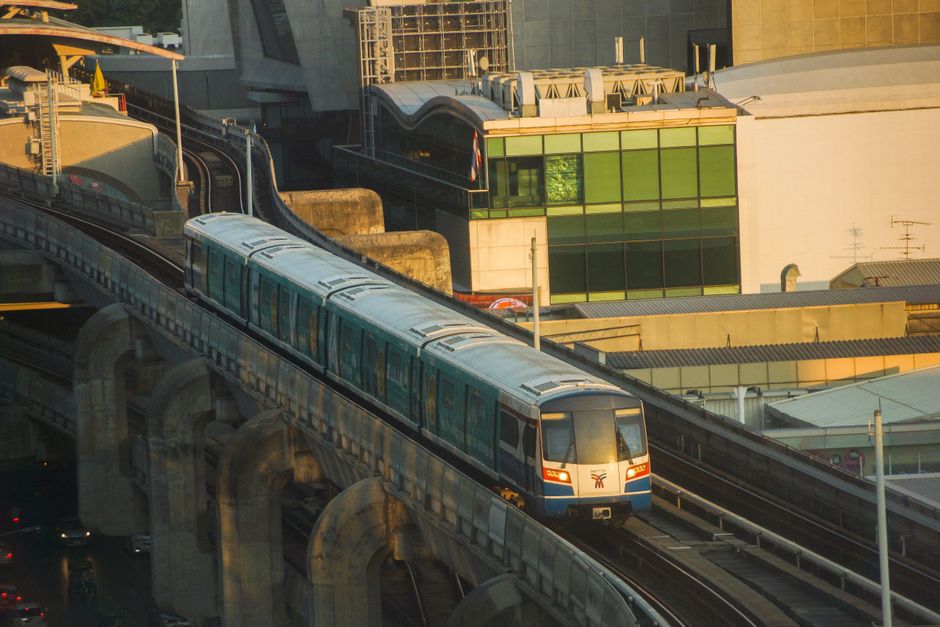
Ottawa commuters have had a frustrating front-row seat to one of the LRT's most persistent problems: electric arcing that snaps overhead wires and plunges trains into power failures. OC Transpo has blamed the phenomenon for at least three separate outages, leaving riders stranded and transit officials scrambling for answers.
What Is Electric Arcing?
At its core, electric arcing happens when electrical current jumps across a gap rather than flowing through a solid conductor. On the Confederation Line, power is delivered to trains through an overhead catenary wire, essentially a long, tensioned cable the train's pantograph (the spring-loaded arm on the roof) presses against to draw electricity.
When that contact becomes inconsistent, whether because of wire tension issues, ice buildup, a damaged pantograph, or a sudden jolt, the current doesn't stop. Instead, it leaps across the air gap in a powerful arc. That burst of energy generates intense heat, sometimes reaching thousands of degrees Celsius in a fraction of a second.
Why It Snaps the Wires
That heat is the problem. When an arc strikes the same point on a wire repeatedly, or when a single arc is powerful enough, it can burn or weaken the copper catenary wire to the point where it snaps entirely. It's the same principle behind why electrical arcs cause fires, concentrated energy in a very small area with nowhere to go.
For Ottawa's LRT, the consequences are cascading. A snapped wire doesn't just stop one train. It takes down the power supply for a stretch of track, potentially stranding multiple vehicles and requiring hours of repairs before service can resume.
Why Does It Keep Happening?
That's the question transit officials and riders alike are asking. Engineers point to several potential contributing factors: the condition of the pantographs on individual vehicles, the tension and alignment of the overhead wire system, and even Ottawa's climate, freeze-thaw cycles can stress wire connections and create micro-gaps that invite arcing.
OC Transpo and its maintenance partners have acknowledged the recurring nature of the failures and are working to identify root causes. However, the precise combination of factors that has made arcing such a persistent issue on this particular line hasn't been fully resolved publicly.
What It Means for Ottawa Riders
For the hundreds of thousands of Ottawans who rely on the Confederation Line daily, these failures translate directly into missed meetings, late arrivals, and eroded confidence in the system. The LRT was sold to the city as a transformative piece of infrastructure, faster, cleaner, more reliable than buses. Years of mechanical and electrical problems have made that promise a hard sell.
City councillors have continued to press OC Transpo for accountability, and the ongoing technical issues remain a political flashpoint heading into future transit expansion discussions, including plans for Stage 3 of the LRT network.
Understanding what arcing is, and why it's so destructive, is a first step toward holding the right people accountable for fixing it.
Source: CBC Ottawa / CBC News. Reporting by Arthur White-Crummey.

