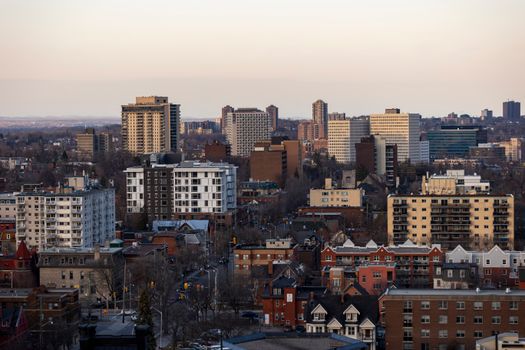
Ottawa's long-awaited LRT Stage 2 western extension is finally within reach of Kanata North, and the city's tech corridor is already feeling the effects on its housing market. As construction milestones push the Kanata station closer to reality, buyers, investors, and renters are all paying closer attention to properties near the planned line.
Why Kanata North Is in the Spotlight
Kanata North is home to one of Canada's largest technology parks, with hundreds of companies, from Ericsson and Nokia to dozens of fast-growing startups, employing tens of thousands of workers. For years, the area's biggest drawback was its near-total dependence on Highway 417 and Terry Fox Drive. Commuters faced grinding rush-hour gridlock with no meaningful transit alternative. That calculus is starting to change.
With Stage 2 extending the Confederation Line westward, Kanata North stands to gain direct rail access to downtown Ottawa for the first time. That shift has real implications for who wants to live there and what they're willing to pay.
What's Happening to Prices
Property values in Kanata and the surrounding west-end communities have risen meaningfully over the past two years, outpacing some other Ottawa neighbourhoods. While the broader Ottawa market has cooled from its pandemic-era peaks, Kanata North condos and townhomes close to the planned transit corridor have held their value better than comparable properties farther out. Sellers are increasingly marketing proximity to future LRT stations as a selling feature.
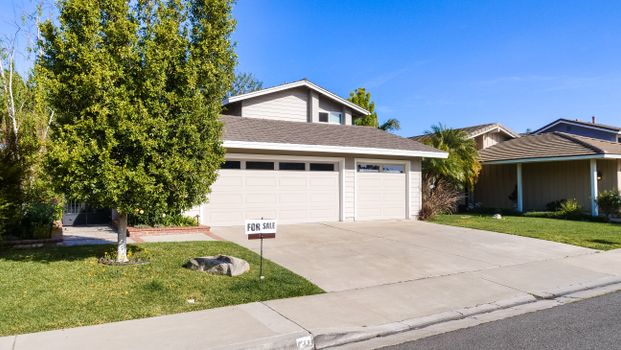
Detached homes in established Kanata subdivisions remain among the more attainable options in Ottawa for buyers seeking a combination of suburban space and urban employment access. The prospect of a 20-minute train ride to Tunney's Pasture or Rideau Centre, rather than a 45-minute crawl on the 417, is resonating with young tech workers who want to live car-light.
The Condo and Rental Opportunity
Developers have taken notice. Several mid-rise and mixed-use projects near Terry Fox Drive and future station areas have either broken ground or received planning approvals. This pipeline of new supply is bringing more rental options to an area that has historically skewed heavily toward ownership. For investors, transit-adjacent units in Kanata North are drawing interest from tenants who work at the tech park and want to ditch the commute stress.
Timing Still Matters
Buyers considering Kanata North as a transit-oriented investment should be clear-eyed about timing. Stage 2 construction has faced delays before, and full service to Kanata is not yet confirmed for 2026. Purchasing with the expectation of immediate LRT access carries risk. That said, the directional trend is clear: this area is moving from transit desert to transit-served, and that shift will be permanent once the line opens.
What Buyers and Investors Should Watch
If you're considering a purchase in Kanata North, prioritize properties within a walkable distance of planned stations, typically within 800 metres. Watch the City of Ottawa's planning portal for zoning changes around station areas, as upzoning near transit nodes often precedes the next wave of price appreciation. And talk to a local realtor familiar with west-end Ottawa dynamics; the micro-market differences between Bridlewood, Beaverbrook, and Morgan's Grant can be significant.
Kanata North's transformation from gridlock-plagued suburb to connected tech corridor is one of Ottawa's most consequential real estate stories of the decade.
Source: Ottawa real estate market data 2026