Ottawa's Manor Park neighbourhood finds itself divided over what might seem like a simple question: should the streets have sidewalks?
The answer, it turns out, is anything but simple, and city councillors are urging residents to think beyond their own lifetimes when weighing in on the issue.
A Community Split Down the Middle
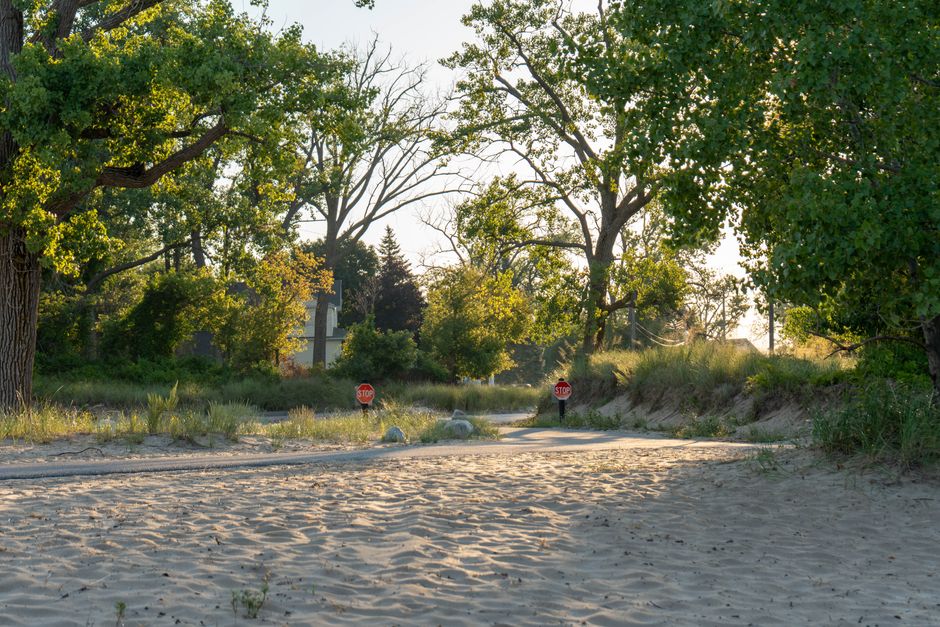
Manor Park, a quiet, established neighbourhood in Ottawa's east end, has become the latest flashpoint in an ongoing citywide conversation about pedestrian infrastructure. Some residents are firmly in favour of new sidewalks, pointing to safety concerns for children walking to school, aging neighbours navigating the street, and cyclists sharing roads with cars. Others are just as firmly opposed, worried about disruptions to mature trees, front yards, and the leafy, semi-rural character that defines the area.
It's a tension that pops up in older Ottawa neighbourhoods regularly, places built in an era before sidewalks were standard, and Manor Park is now squarely in the middle of it.
Councillors: Think Long-Term
What's making this debate particularly pointed is the framing councillors are using to push back on short-term thinking. The argument, raised during recent discussions, is that whatever gets decided now won't just affect current residents. It will shape the neighbourhood for decades, long after today's homeowners and even today's elected officials have moved on.
In other words: just because the people living on a street right now don't want sidewalks doesn't mean the people who live there in 20 years won't desperately need them.
It's a compelling point, and one that highlights a genuine challenge in urban planning: how do you balance the preferences of people who live somewhere today against the needs of a future community that doesn't yet have a voice?
The Broader Ottawa Context
This isn't an isolated debate. Ottawa has been grappling with pedestrian infrastructure gaps across many of its older, established neighbourhoods, areas that developed organically before modern planning standards required sidewalks on both sides of every street. As the city grows and more families move into these communities, pressure for safer walking infrastructure tends to follow.
The City of Ottawa has also been working to improve its pedestrian network as part of broader active transportation and Vision Zero commitments, goals aimed at reducing traffic injuries and deaths and making Ottawa more walkable and bikeable for everyone.
Manor Park's sidewalk debate, then, is really a microcosm of a larger question Ottawa is asking itself: what kind of city do we want to be, and are we willing to make decisions today that prioritize the future, even when they're unpopular with some current residents?
What Comes Next
No final decision has been announced yet on the Manor Park sidewalk plan. The debate continues, with councillors, residents, and city staff still working through the trade-offs.
But the message from elected officials seems clear: this isn't just about what Manor Park looks like today. It's about what kind of neighbourhood it will be for the next generation of Ottawans, and that's worth taking seriously, even when it's uncomfortable.
Source: Ottawa Citizen

