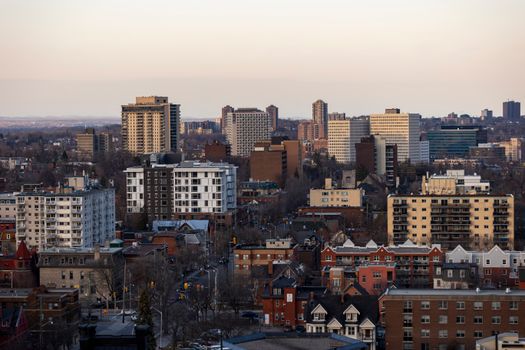
Ottawa is taking aim at its housing crisis head-on, with Mayor Mark Sutcliffe laying out a series of measures designed to boost supply and ease the affordability crunch that's been squeezing residents for years.
The announcement signals a renewed urgency from city hall as Ottawa, like most major Canadian cities, grapples with a widening gap between housing supply and a population that keeps growing. Rental vacancies remain tight, home prices have climbed well above historical norms, and many residents, especially younger ones, are finding it increasingly difficult to put down roots in the city they call home.
What's on the Table
While specific details from the mayor's office are still being fleshed out, the broad strokes point to a multi-pronged approach. Accelerating development approvals is expected to be a centrepiece, one of the most commonly cited bottlenecks in getting new housing built is the time it takes to navigate the city's permitting and zoning processes. Streamlining those steps could mean shovels in the ground faster.
Increasing density in established neighbourhoods is also part of the conversation. Ottawa has large swaths of low-rise, single-family housing close to transit corridors and amenities, areas where gentle densification (think multiplexes, laneway homes, and mid-rise buildings) could add meaningful supply without dramatically changing neighbourhood character.
Affordable and non-market housing is another key piece. With federal and provincial housing dollars flowing more freely than in previous years, the city is looking at how it can leverage those funds to get more deeply affordable units built, the kind that serve lower-income Ottawans who the private market simply won't reach.
Why It Matters for Ottawa Residents
For anyone renting or trying to buy in Ottawa right now, the stakes are real. Average rents in the city have risen sharply over the past several years, and while the resale market has cooled somewhat from its pandemic-era peaks, ownership still feels out of reach for many first-time buyers.
Housing experts have long argued that the only durable solution to affordability is more supply, more units, more types of units, and more units in the right locations near jobs and transit. If Ottawa's plans can meaningfully move the needle on supply, the effects could be felt across the market over the next decade.
What Comes Next
City council will need to translate the mayor's vision into concrete policy, zoning bylaw changes, budget commitments, and partnerships with developers, non-profits, and other levels of government. That process will involve public consultation and, inevitably, some neighbourhood pushback. How the city navigates those tensions will go a long way toward determining whether these plans produce real results or remain aspirational.
For now, the signal from the mayor's office is clear: Ottawa's housing crunch is a top priority, and city hall is prepared to use the tools at its disposal to address it.
Stay tuned to ottown.ca for updates as Ottawa's housing plans develop.
Source: CTV News Ottawa