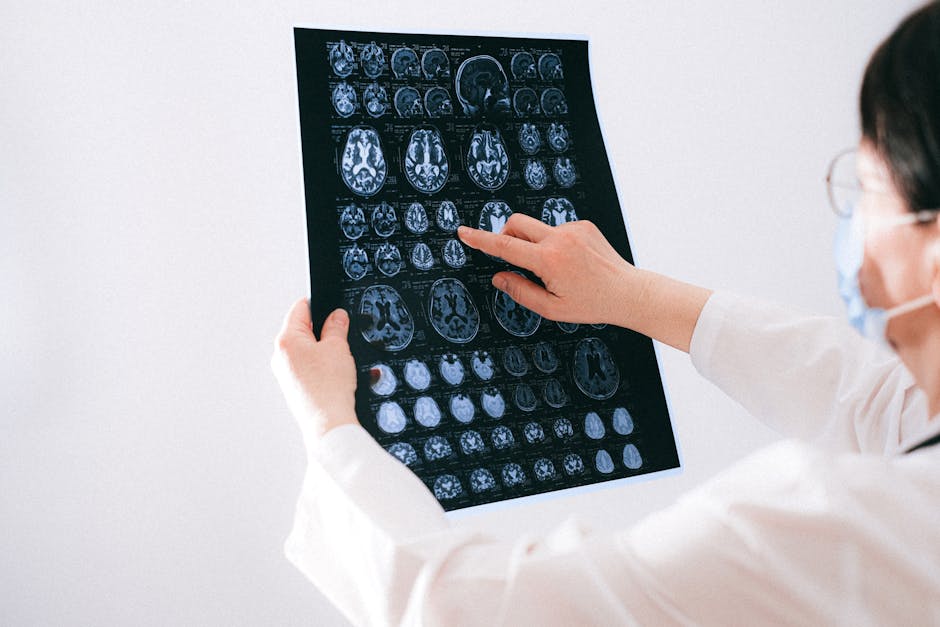
Ottawa's health care system is embracing a transformative new technology: mobile brain scanning units that bring diagnostic imaging directly to patients, reducing wait times, improving outcomes, and extending care to people in regions far from major hospital centres.
What Are Mobile Brain Scans?
Mobile brain scanning, using portable CT or MRI-equivalent units that can be deployed in ambulances, community health centres, or remote sites, sounds like something out of a medical drama. But as CBC reports, it's now a reality for more Canadian patients, and the results are genuinely impressive.
Traditionally, a patient suspected of having a stroke or brain bleed would need to be stabilized, transported to a facility with imaging equipment, queued for a scan, and then treated, a process that can take hours in which every minute of delay worsens outcomes. Mobile scanning collapses that timeline dramatically.
The Stakes for Stroke Care
Time is brain. That's the blunt phrase neurologists use to describe stroke treatment: every minute of delayed care destroys roughly 1.9 million neurons. Mobile scanning technology means a patient can be assessed while still in the community, en route to hospital, or at a regional clinic, dramatically compressing the critical window for treatment.
Several Canadian hospitals and emergency medicine programs have been piloting these units, with results that are difficult to argue with: faster diagnoses, faster treatment, and meaningfully better patient outcomes.
Ottawa's Health Innovation Ecosystem
Ottawa is well-positioned to benefit from and contribute to this shift. The Ottawa Hospital, one of the country's major academic health centres, has been a leader in adopting emerging medical technologies, and its research arm regularly partners with federal health agencies headquartered in the capital.
The city is also home to a growing health tech startup scene, with companies developing remote monitoring tools, AI-assisted diagnostics, and data infrastructure for distributed care. Mobile brain scanning fits squarely into a broader movement toward decentralized, community-embedded health care that Ottawa's innovation ecosystem is well-equipped to support.
What's Coming Next
Experts in the field see mobile scanning as a stepping stone to fully AI-assisted pre-hospital diagnosis, where a scan taken in an ambulance is analyzed by machine learning models and a treatment protocol is ready before the patient arrives at the emergency department.
For Ottawa residents, particularly those in outlying communities like Almonte, Carleton Place, or Arnprior that rely on transport into the city for specialist care, this technology could eventually be life-changing. The future of brain health care is mobile, and it's already here.