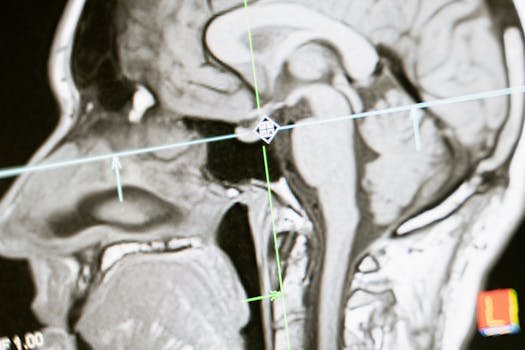
Something that would have sounded like science fiction a decade ago is now reaching Canadian patients: mobile brain scanning technology that can bring neuroimaging capabilities directly to bedside, and in some cases, directly to remote communities far from major centres.
Ottawa's hospital network, anchored by The Ottawa Hospital and CHEO, sits at the centre of this story. As one of Canada's largest integrated health systems, Ottawa has been among the institutions piloting and expanding access to mobile and point-of-care neuroimaging tools that are changing how strokes and brain injuries are diagnosed and treated.
Why Speed Is Everything in Brain Emergencies
For strokes and traumatic brain injuries, time is the single most important variable. Every minute of delayed diagnosis means more dead or damaged brain tissue. The historic bottleneck: patients needed to be stable enough to transfer to a CT or MRI scanner, which could take precious time, especially in hospitals where imaging equipment is shared, queued, or located elsewhere in the building.
Mobile brain scan units collapse that gap. Bringing imaging to the patient rather than the patient to imaging can shave critical minutes off time-to-diagnosis and accelerate treatment decisions.
The Ottawa Hospital's Role
The Ottawa Hospital has long been a national leader in stroke care. Its neuroscience program handles some of the most complex cases in eastern Ontario, and it serves as a referral hub for smaller hospitals and communities across a vast geographic catchment. The expansion of mobile neuroimaging capabilities strengthens that hub role, and extends better outcomes to patients who might otherwise face long transfers.
What's Next
Experts in the field are pointing toward further miniaturization and AI-assisted interpretation as the next frontier. Systems that can not only capture brain images in the field but provide instant analysis of what those images show, flagging bleeds, blockages, and injuries automatically, would represent another significant leap.
For Ottawa patients, the practical takeaway is simple: the hospital system working to protect your brain is getting meaningfully better, and faster.
Source: CBC Health