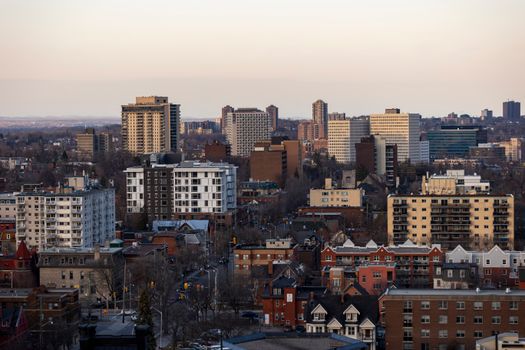
Ottawa and Montreal are just two hours apart by highway, yet their real estate markets in 2026 operate by distinctly different rules. For first-time buyers, Montreal offers some of the best urban housing value among Canada's major cities, along with a culture and housing stock unlike anywhere else in the country.
Montreal's Market in 2026
Montreal's average property price sits around $565,000 in early 2026, meaningfully below Ottawa's $680,000 average. Detached homes in desirable neighbourhoods like Outremont, Plateau-Mont-Royal, and Rosemont average $850,000–$1.2 million, but the city's iconic plexes (duplexes and triplexes) offer a uniquely accessible path to ownership.
A well-maintained duplex in Rosemont-La Petite-Patrie or Villeray can be purchased for $600,000–$850,000, and with one unit rented out, effective housing costs can rival or beat renting.
Quebec's Distinct Market Structure
Montreal operates under Quebec civil law, meaning the buying process differs from Ontario-based markets like Ottawa:
- Notary (not lawyer): Real estate transactions close with a notary, not a real estate lawyer. Notary fees run $1,500–$2,500.
- Promise to Purchase: Quebec uses a specific form rather than Ontario's Agreement of Purchase and Sale.
- No automatic right of rescission: Conditions must be negotiated explicitly.
Quebec's Land Transfer Tax (Droits de Mutation)
Montreal charges a "welcome tax" (taxe de bienvenue) on property transfers:
- 0.5% on first $53,200
- 1.0% on $53,200–$266,200
- 1.5% on $266,200–$532,400
- 2.0% on $532,400–$1,064,800
On a $650,000 Montreal purchase, welcome tax runs approximately $9,500. First-time buyers receive no Quebec-specific rebate (unlike Ontario), though the federal First-Time Home Buyers' Tax Credit still applies.
Montreal Neighbourhoods for First-Timers
- Verdun and LaSalle: Affordable entry points, $400,000–$600,000 for condos and small plexes
- Saint-Michel and Montréal-Nord: Lower prices, rapidly gentrifying
- Mercier-Hochelaga-Maisonneuve: Plexes $550,000–$750,000, strong rental demand
- Laval: Suburban, detached homes $450,000–$650,000, lower taxes
The Language Factor
Montreal's housing market is largely francophone. While English-language services are available, first-time buyers working with sellers or agents in French-dominant neighbourhoods benefit from bilingual representation. For Ottawa's bilingual residents, this transition is often smoother than for buyers from English-only markets.
Ottawa vs Montreal: The First-Timer's Call
Montreal offers lower prices, unique plex opportunities (built-in rental income), and vibrant urban culture. Ottawa offers stronger government employment stability, higher average salaries, and a more straightforward (Ontario-standard) buying process. Both cities are genuinely excellent choices for first-time buyers in 2026, the decision often comes down to career and lifestyle priorities.