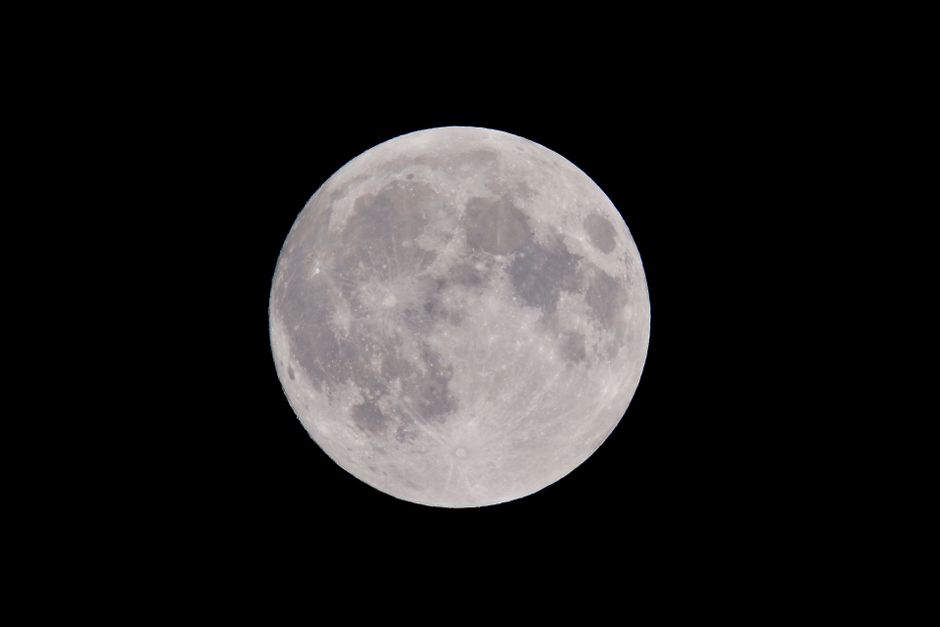
Ottawa's thriving aerospace and tech community is buzzing this week after NASA announced a major shift in its lunar exploration plans, scrapping its orbiting space station in favour of a permanent $20 billion base on the surface of the moon.
A Bold New Direction for Lunar Exploration
NASA's newly appointed chief Jared Isaacman unveiled the pivot on Tuesday, confirming that components originally earmarked for the Lunar Gateway, a planned space station in lunar orbit, will instead be repurposed to construct a surface base over the next seven years. It's one of the most significant changes to NASA's moon program in years, and it signals a shift toward long-term human presence on the lunar surface rather than an orbiting waypoint.
The Lunar Gateway had been a central pillar of NASA's Artemis program, designed to serve as a staging point for missions to the moon and eventually Mars. Pausing it in favour of a surface base suggests the agency is doubling down on permanent settlement rather than transient exploration.
What This Means for Canada
The announcement carries real weight for Canada. The Canadian Space Agency (CSA), headquartered in Longueuil, Quebec, was set to contribute Canadarm3, a next-generation robotic arm, to the Lunar Gateway. With the station now on pause, the future of that contribution remains unclear, and Canadian space officials will be watching closely for guidance from NASA on how (or whether) their hardware fits into the revised plan.
Canada's involvement in lunar exploration has been a point of national pride, building on the legacy of Canadarm and Canadarm2 aboard the International Space Station. The CSA's investment in Canadarm3 was also tied to securing Canadian astronaut seats on lunar missions, a detail that will now need to be renegotiated.
Ottawa's Aerospace Ecosystem Has Skin in the Game
Ottawa is home to several companies and institutions with ties to the broader space sector, from defence contractors along the Kanata tech corridor to university research programs at Carleton and uOttawa. Local engineers and scientists working in satellite systems, remote sensing, and aerospace have long fed into Canada's national space ambitions.
For that community, NASA's announcement is a reminder of how quickly priorities can shift at the program level, and why Canadian space policy needs to remain agile enough to adapt.
$20 Billion Over Seven Years
The price tag is staggering: $20 billion USD over seven years to construct a base that could eventually support sustained human habitation on the lunar surface. Isaacman framed it as a more direct path to meaningful presence on the moon, rather than building infrastructure in orbit first.
Whether the funding survives congressional scrutiny, particularly in the current U.S. budget climate, remains to be seen. But if NASA delivers, humanity could have boots-on-the-ground infrastructure on the moon before 2033.
Looking Up
For space watchers in Ottawa and across Canada, this is a story worth following closely. The pivot away from Lunar Gateway raises real questions about Canada's role in the next chapter of lunar exploration, and whether Canadarm3 finds a new home in the revised mission architecture.
Expect updates from the CSA in the coming weeks as officials respond to NASA's announcement.
Source: CBC News / CBC Technology RSS

