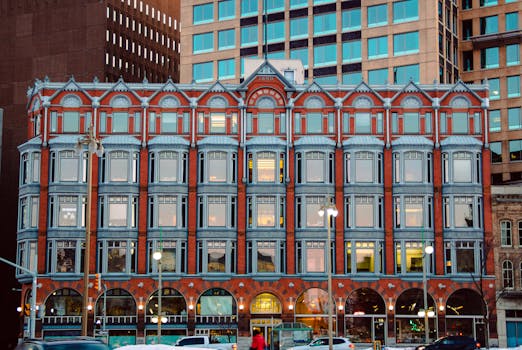
Ottawa's National Gallery of Canada, one of the country's most storied cultural institutions, is at the centre of a growing controversy after former director Marc Mayer went public with stinging criticism of the changes being made under new leadership.
Mayer, who led the gallery from 2009 to 2019, has broken his silence to decry what he sees as a troubling shift in the institution's vision and priorities. His remarks, published in Galleries West, have sent ripples through the Canadian arts community and raised uncomfortable questions about where the gallery is headed.
What Mayer Is Saying
Though the specifics of Mayer's critique reflect longstanding tensions in how major public art institutions balance accessibility with scholarly rigour, his willingness to speak out so openly is notable. Former directors of national institutions rarely offer public commentary critical of their successors, making Mayer's intervention all the more significant.
Mayer built a reputation during his decade at the helm for ambitious acquisitions and a commitment to placing Canadian art in an international context. His tenure saw major exhibitions and a renewed focus on the gallery's permanent collection. The changes he's now criticizing appear to represent a departure from that approach.
Why It Matters for Ottawa
For Ottawans, the National Gallery isn't just a tourist attraction on Sussex Drive. It's a civic institution. The gallery draws hundreds of thousands of visitors each year, anchors the cultural life of the capital, and plays a central role in how Canada understands and presents its artistic heritage to the world.
When the gallery's direction is in dispute, Ottawa residents feel it. Local arts advocates, educators, and culture lovers have long relied on the institution as a touchstone, a place where world-class exhibitions meet the everyday life of the city. Any perceived erosion of that mission matters to the community.
The gallery has faced financial pressures in recent years, as has much of the publicly funded arts sector. Decisions about programming, staffing, and acquisitions have consequences not just for art insiders but for the broader cultural ecosystem of the capital region.
A Broader Conversation About Public Art Institutions
Mayer's public rebuke is landing at a moment when arts funding and institutional identity are flashpoints across Canada. As federal cultural budgets face scrutiny and public galleries grapple with evolving mandates around inclusion, decolonization, and accessibility, the debate about what a national gallery should be has never been more charged.
His comments add a high-profile voice to a conversation that Ottawa's arts community has been quietly having for some time. Whether or not the current leadership responds publicly, the criticism is unlikely to fade quickly.
What Comes Next
For those invested in Ottawa's cultural future, artists, educators, patrons, and everyday gallery-goers. Mayer's intervention is a prompt to pay closer attention. The National Gallery belongs to all Canadians, and its direction is a matter of genuine public interest.
Keep an eye on how the gallery's leadership responds, and whether Mayer's remarks spark a wider reckoning within the institution.
Source: Galleries West. This article is based on reporting from Galleries West magazine.