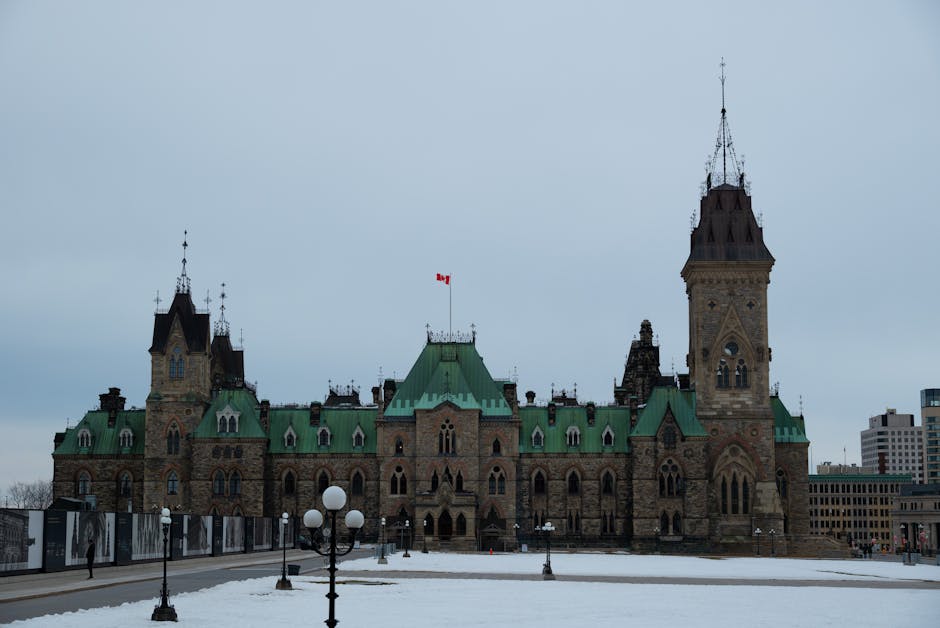
Ottawa finds itself at the heart of an unusual policy puzzle this week, as questions swirl over whether the federal government can grant "national interest" status to a pipeline that, for now, exists mostly on paper. According to iPolitics, the project in question has no defined route and no private proponent attached to it, raising a basic but thorny question about how far Ottawa's powers really stretch.
The question on the table
At its core, the issue is about timing and process. Normally, a major energy project comes with a company ready to build it and at least a rough idea of where it would go. This time, the conversation in Ottawa is happening before either of those pieces is in place. That's prompted observers to ask whether designating something as being in the "national interest" makes sense when the thing itself hasn't been fully defined.
It's the kind of legal and political grey area that doesn't get resolved overnight. Can a government label a project a priority before knowing its path, its cost, or who would actually carry it out? Or does that designation need to wait until there's a concrete proposal to evaluate?
Why Ottawa is where this plays out
For residents of the capital, debates like this are a reminder that Ottawa isn't just where Canadians live, work, and grab a coffee on Elgin Street. It's also where decisions with national consequences get hashed out. The offices and committee rooms a short walk from Parliament Hill are where the rules around major projects are written, argued over, and ultimately decided.
That gives the city a front-row seat to a question that touches energy policy, federal authority, and the machinery of how Canada decides what counts as a priority. Many of the people working through these details: policy staff, analysts, and public servants, are our neighbours here in Ottawa.
What's actually at stake
The broader significance is about precedent. If Ottawa can attach a special status to a project with no route and no backer, it changes the order in which big infrastructure decisions get made. Supporters of moving quickly might argue it signals commitment and helps attract a future builder. Skeptics counter that designating something before the basics are settled puts the cart before the horse.
For now, there are more questions than answers. iPolitics frames the issue as genuinely open, the kind of governance question that lawyers, policy experts, and politicians in the capital will likely keep debating in the weeks ahead.
The bottom line
Whether or not this particular pipeline ever gets built, the conversation happening in Ottawa is a useful window into how the country sorts out its biggest projects. It's a reminder that some of the most consequential debates in Canada start right here, often before the public hears much about them at all.
Source: iPolitics, via Google News Ottawa.

