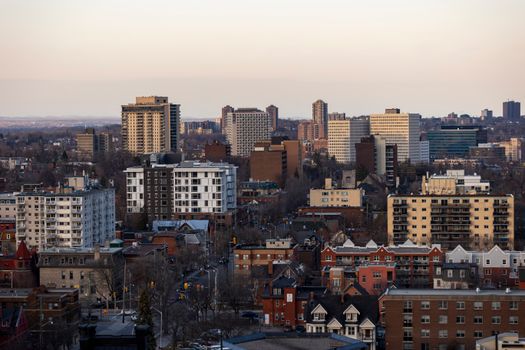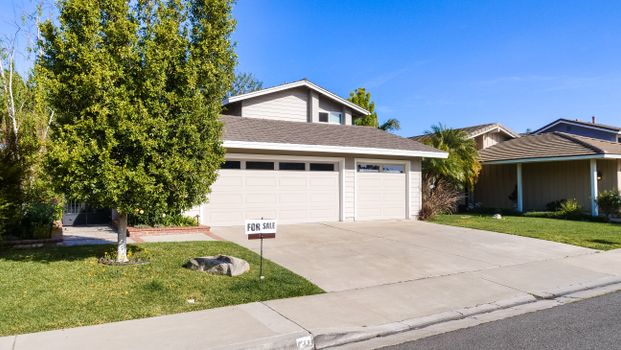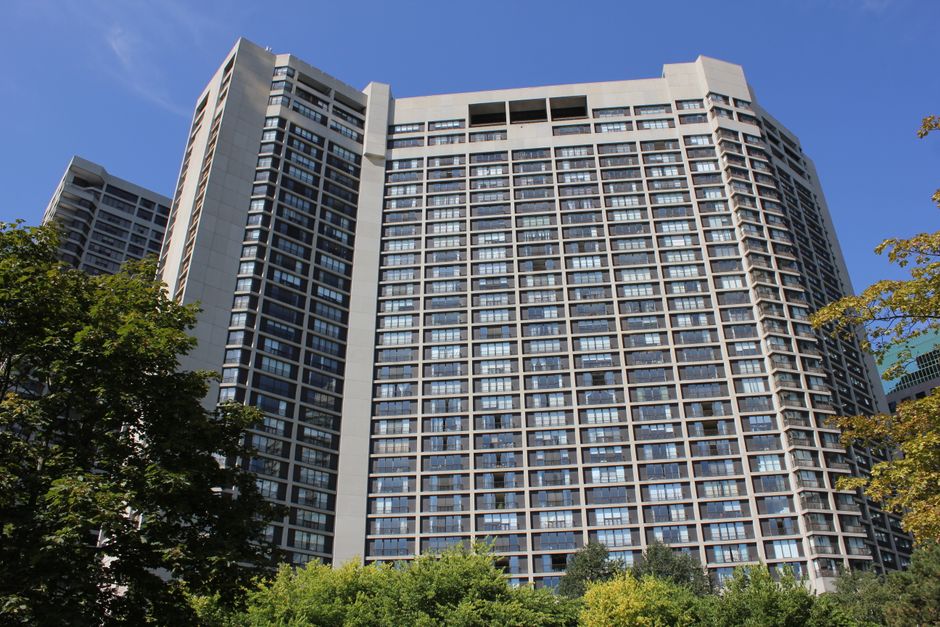
Ottawa's downtown core is quietly undergoing one of the most significant urban transformations in a generation, empty office buildings are being reimagined as places people actually live. As remote and hybrid work continues to hollow out commercial real estate across the capital, developers and the City of Ottawa are seizing the opportunity to address the housing crisis from a surprising angle: conversion.
Why Conversions Are Happening Now
Ottawa's office vacancy rate has remained stubbornly elevated since the pandemic shifted thousands of federal public servants to hybrid arrangements. Large floor plates in older Class B and Class C office buildings have sat partially or entirely vacant for years, dragging down property values along streets like Albert, Slater, and portions of the Centretown core.
At the same time, Ottawa's rental and ownership housing supply has struggled to keep pace with population growth. The federal government's push to incentivize housing construction, including fast-tracked approvals and GST relief for purpose-built rentals, has made conversion projects increasingly attractive for developers who might otherwise face lengthy rezoning battles starting from scratch.
What Conversions Actually Look Like
Not every office building makes a good candidate. The most successful conversions tend to share a few traits: smaller floor plates that allow natural light to reach interior units, existing plumbing cores that can be adapted for residential use, and locations close to transit, amenities, and greenspace.
Several projects in Ottawa's downtown and Centretown neighbourhoods have already moved through planning approvals or broken ground. Buyers and renters in converted buildings can expect a mix of unit sizes, often skewing toward studios and one-bedrooms given the structural constraints of commercial floor plans. Amenity spaces, lobbies, meeting rooms, rooftop areas, frequently get a second life as resident lounges, co-working nooks, and terraces.
What It Means for Ottawa Buyers and Investors
For first-time buyers and investors, converted buildings can offer an entry point into desirable downtown Ottawa locations at price points that compete with new condo towers. Because many conversions involve older stock, buyers should do their due diligence on building envelope condition, HVAC systems, and condo corporation reserve funds before committing.
Investors eyeing rental income will find converted units appealing given their central locations, walkable to Parliament Hill, the LRT, Sparks Street, and Centretown restaurants. Demand for well-located, smaller downtown units in Ottawa has remained firm even as the broader market has cooled.
The City's Role
Ottawa's planning department has worked to streamline the approvals process for adaptive reuse projects, recognizing that conversions can deliver housing faster than greenfield development. Zoning changes that allow residential use in traditionally commercial zones have reduced friction for developers willing to take on the complexity of retrofitting an existing building.
Federal incentives, including infrastructure funding and tax measures tied to housing supply, have added further momentum. Ottawa, as the capital, is also positioned to benefit disproportionately from federal housing policy given the proximity of decision-makers to the city's planning challenges.
Looking Ahead
The wave of commercial-to-residential conversions in Ottawa is still in its early chapters. As more projects reach completion and hit the resale and rental markets, buyers will have a clearer picture of what living in a converted office building actually feels like day-to-day. For a city grappling with housing affordability and a surplus of underused commercial space, the trend points in a promising direction.
Source: Ottawa real estate market data 2026