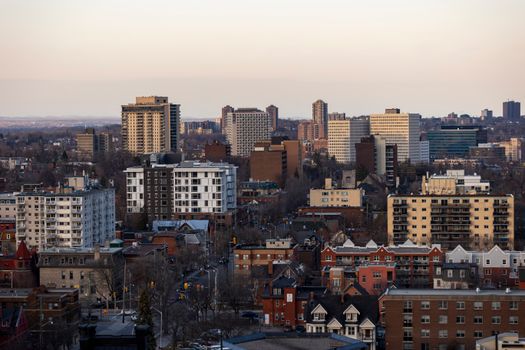
Ottawa's Office Market Shifts Amid Vacancy Surge
Ottawa's office real estate market is experiencing a significant shift as vacancy rates climb and major tenants, including the federal government and retail chains like Giant Tiger, look to reduce their footprint. The changes signal evolving workplace patterns and fiscal pressures that are reshaping how Ottawa thinks about office space.
The federal government, one of the city's largest office occupants, has announced plans to consolidate operations and return unused space to the market. With remote work policies now standard across the public service and a focus on cost-cutting measures, the government is downsizing from sprawling government complexes that once anchored Ottawa's downtown and suburban office parks.
Meanwhile, Giant Tiger, the Canadian retail chain with significant warehouse and office operations in the region, is also offloading real estate as it adjusts its operational footprint. The combination of federal pullback and retail consolidation represents a notable shift from the office-heavy economy Ottawa has traditionally relied on.
What's Driving the Change?
The rise in vacancy reflects broader national trends. Post-pandemic remote work adoption has fundamentally altered demand for office space. Companies across Canada are reassessing their real estate needs, choosing flexible arrangements over traditional full-occupancy leases. For Ottawa, where government jobs historically anchored the market, this transition feels particularly pronounced.
The federal workforce, long the bedrock of Ottawa's economy, is embracing hybrid and remote models. Departments that once required massive downtown complexes are now operating leaner, virtual-first operations. This creates a ripple effect: less demand for office janitors, security, transit riders, and downtown lunch crowds.
Retailers like Giant Tiger are similarly rethinking real estate. E-commerce growth, inventory optimization, and overhead reduction push companies to consolidate. What once seemed like permanent fixtures of Ottawa's commercial landscape are now vacant storefronts and empty office towers.
The Real Estate Outlook
Higher vacancy rates typically mean softer rental prices and more negotiating power for tenants, good news for businesses looking for space, but challenging for landlords and property owners expecting stable returns. Some office buildings may see pressure to convert to residential or mixed-use projects, a trend already happening in other Canadian cities.
For Ottawa's downtown core, the challenge is particularly acute. Downtown office towers, long filled with government workers, face the highest vacancy pressures. Landlords are experimenting with amenity upgrades, flexible leasing terms, and hybrid-purpose spaces to attract tenants.
Looking Ahead
Ottawa's office market will likely continue evolving as remote work becomes permanent and organizations rationalize real estate. The city's economy, historically dominated by government, is being forced to diversify and adapt. Tech startups, private sector growth, and remote-first companies offer new opportunities, but they won't immediately fill the vacuum left by federal consolidation.
For the real estate sector, the key question is whether Ottawa can reimagine its office stock into vibrant mixed-use spaces, or if vacancy becomes a structural feature of the new Ottawa economy.
Source: Ottawa Business Journal