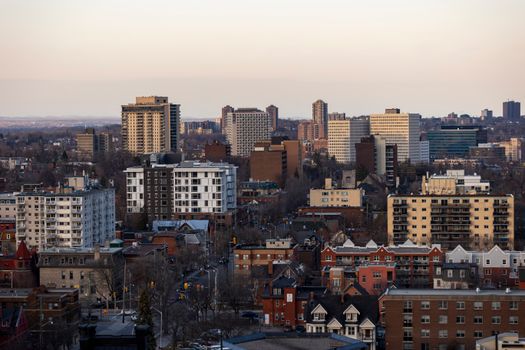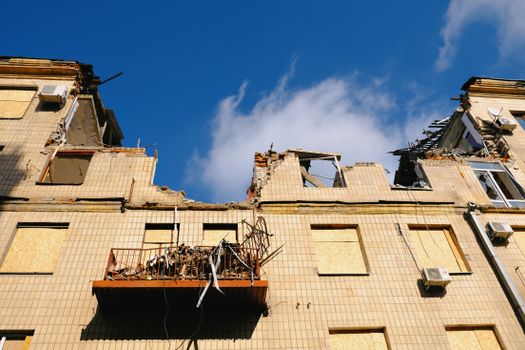
Ottawa residents dealing with sky-high rents and unaffordable home prices have reason to worry: Ontario's revised 2026 budget shows the province is scaling back its housing construction targets. Again.
During his 2022 re-election campaign, Premier Doug Ford promised to solve Ontario's housing crisis by ramping up new home construction and removing red tape. It was a bold pledge that resonated with voters desperate for relief from climbing rents and home prices. But the reality, as usual, is messier than the campaign promises.
What Changed?
The new budget reveals that Ontario's ambitious housing targets aren't materializing. Construction hasn't accelerated as promised. Instead, the government is revising expectations downward, a tacit admission that solving a housing shortage is far harder than campaign rhetoric suggests.
For Ottawa, this is bad news. The National Capital Region has been squeezed harder than most. Tech sector growth and federal employment have brought more people, but housing supply hasn't kept up. Rental vacancy rates are brutal, and first-time homebuyers are getting priced out of neighborhoods where their parents could afford to buy.
Why the Shortfall?
Several headwinds have derailed the province's plans. Construction costs stayed elevated due to inflation. Skilled trades are in short supply. Supply chains that were supposed to normalize kept stumbling. And here's the real kicker: removing regulatory barriers at the provincial level doesn't do much when local city councils move slowly on approvals.
Coordinating between three levels of government, provincial, municipal, and federal, is messier in practice than on a campaign poster. Add neighborhood resistance to density, infrastructure concerns, and the usual planning delays, and you get projects that take years longer than projected.
Ottawa's Reality Check
The capital can't rely on the province to fix this. The city needs to move faster locally: expedite zoning approvals, cut red tape at city hall, and support diverse housing types like midrise apartments and secondary suites.
We also need the feds to step up. Addressing housing can't be just a provincial responsibility when federal investments in transit and social housing could unlock faster development in places like Ottawa.
The Bottom Line
If Ontario's provincial targets keep slipping, Ottawa renters and first-time homebuyers will pay the price. The housing shortage isn't getting better. It's getting more entrenched. Campaign promises are nice, but what matters now is execution at every level of government.
For anyone renting in Ottawa or dreaming of owning a home here, the message is clear: don't expect the province to save you. The city needs to lead.