Ottawa is taking a deliberate pause before reaching for the regulatory rulebook when it comes to OpenAI's plans in Tumbler Ridge, British Columbia, and a senior government official says that's entirely by design.
According to a report in the Toronto Star, a spokesperson identified as Solomon told reporters that the federal government intends to gather more information directly from OpenAI before deciding how, or whether, to regulate the company's proposed activities in the small northeastern B.C. town.
What's Happening in Tumbler Ridge?
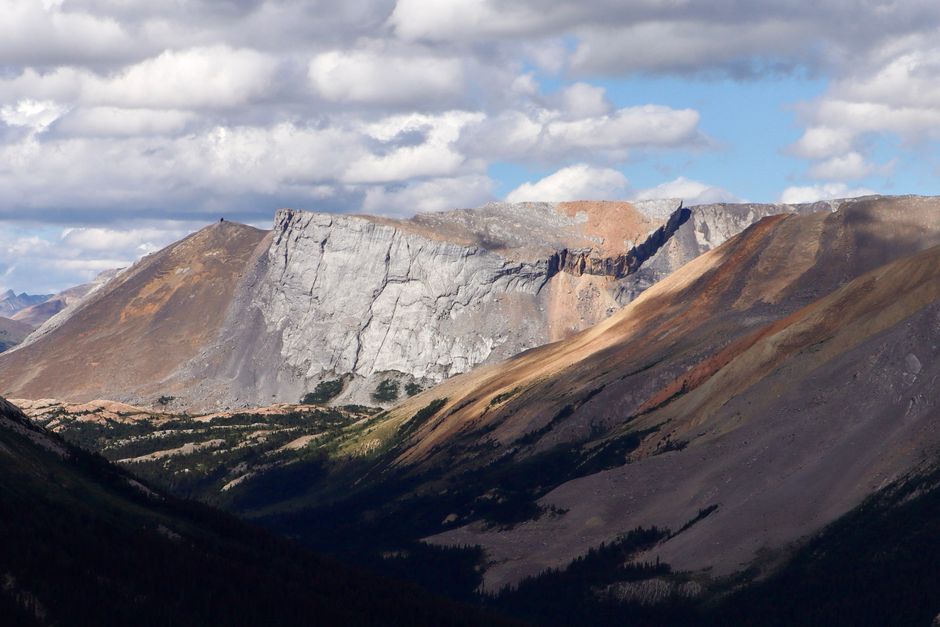
Tumbler Ridge, a remote municipality of just over 2,000 people nestled in the foothills of the Canadian Rockies, has found itself at the centre of a national conversation about artificial intelligence infrastructure. The town is attractive to data centre developers largely because of its access to abundant, affordable hydroelectric power, a critical resource for energy-hungry AI systems.
OpenAI's interest in the area has raised questions about foreign tech giants anchoring large infrastructure projects in Canada, and what oversight, if any: should apply.
Ottawa's Approach: Information First
Rather than moving quickly to draft new rules, the federal government is signalling that it wants a clearer picture of OpenAI's intentions before committing to a regulatory path. That kind of measured approach is consistent with how Ottawa has handled other emerging technology files, though critics argue that regulatory hesitation can allow fast-moving companies to set terms before governments catch up.
The wait-and-see stance also reflects the complexity of AI governance more broadly. Canada has been developing its Artificial Intelligence and Data Act (AIDA) for years, and federal officials have repeatedly faced the challenge of balancing innovation-friendly policies with meaningful oversight of systems that carry real societal risks.
Why It Matters for Canadians
Where AI infrastructure gets built, and under what conditions, has significant implications for data sovereignty, energy use, and local economic development. For communities like Tumbler Ridge, a major data centre investment could mean jobs and tax revenue. For federal regulators, it means grappling with questions about jurisdiction, environmental impact, and the terms under which a major U.S. tech company operates on Canadian soil.
The OpenAI Tumbler Ridge file is shaping up to be an early test of whether Canada's regulatory posture can keep pace with the speed at which AI companies are expanding their physical footprint across the country.
Ottawa's decision to wait for more information rather than act preemptively will likely be watched closely by both the tech industry and digital rights advocates in the months ahead.
Source: Toronto Star via Google News Ottawa RSS feed.

